
Blog
2002 Cadillac Escalade: Complete Guide to Specs, Performance, Features, and Value in 2026

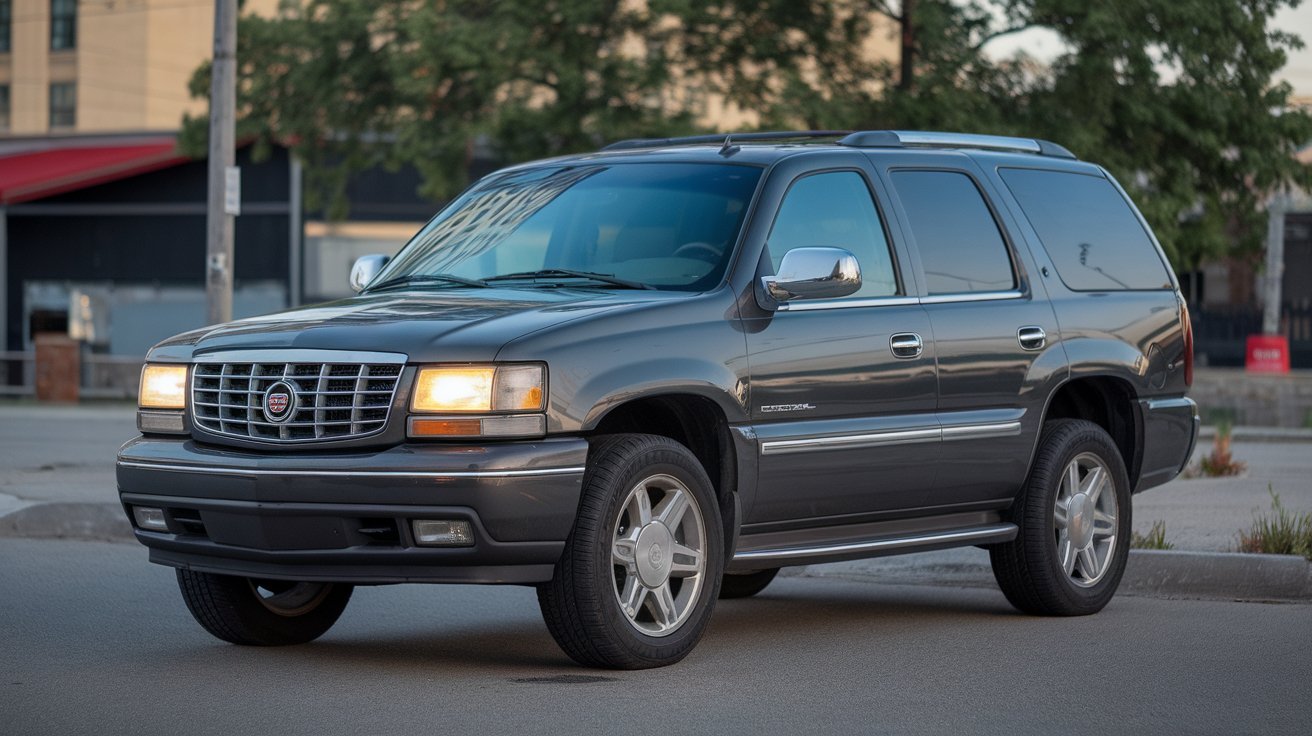
The 2002 Cadillac Escalade holds an important place in the history of Cadillac’s luxury SUV lineup. As an early version of the modern Escalade formula, the 2002 model combined a large body-on-frame SUV platform with a powerful V8 engine, upscale leather interior, substantial towing capability, and Cadillac-specific styling. More than two decades later, the 2002 Cadillac Escalade remains interesting to enthusiasts, collectors, and buyers looking for an inexpensive older luxury SUV with genuine truck-based capability.
For 2026 shoppers, however, buying one requires a different approach from purchasing a newer vehicle. Condition, maintenance history, rust, mileage, drivetrain health, and previous modifications can matter far more than the original specification. The 2002 Escalade was available in rear-wheel-drive and all-wheel-drive configurations, and its engine and towing specifications differed significantly between them.
What Is the 2002 Cadillac Escalade?
The 2002 Cadillac Escalade was a major step forward for Cadillac’s luxury SUV ambitions. Edmunds described the redesigned model as moving beyond being simply a Yukon Denali derivative, with distinctive exterior styling, stronger V8 power, improved driving dynamics, and a more luxurious interior.
The standard Escalade was a full-size, three-row SUV capable of seating up to eight people. It measured approximately 198.9 inches long, had a 116-inch wheelbase, and weighed more than 5,300 pounds in rear-wheel-drive form. The all-wheel-drive model weighed approximately 5,560 pounds.
Its substantial dimensions gave passengers generous interior room while also creating the commanding driving position associated with large American SUVs. For families, towing users, and drivers who appreciated a traditional truck-based vehicle, the Escalade offered a combination of space and capability that smaller luxury crossovers could not match.
2002 Cadillac Escalade Engine and Performance
One of the most important differences between 2002 Escalade configurations is the engine. Rear-wheel-drive models used a 5.3-liter V8 producing approximately 285 horsepower and 325 lb-ft of torque. All-wheel-drive versions received the more powerful 6.0-liter V8, rated at approximately 345 horsepower and 380 lb-ft of torque. Both engines were paired with a four-speed automatic transmission.
The 6.0-liter V8 was the standout powertrain. For an SUV from 2002, 345 horsepower and 380 lb-ft of torque provided strong acceleration and substantial pulling power. Edmunds specifically praised the Escalade’s vigorous powerplant and towing ability in its period review.
The engine’s character is very different from modern turbocharged or hybrid SUVs. The V8 delivers its power in a traditional, linear fashion and produces the low-speed torque expected from a large truck-based vehicle. The trade-off is fuel consumption, which is considerable by modern standards.
Fuel Economy, Towing, and Four-Wheel-Drive Capability
Fuel economy is one of the biggest compromises of owning a 2002 Cadillac Escalade in 2026. Edmunds lists the rear-wheel-drive 5.3-liter version at approximately 13 mpg city and 17 mpg highway, or 14 mpg combined. The AWD 6.0-liter model is listed at approximately 10 mpg city and 14 mpg highway, or 12 mpg combined. Both configurations use a 26-gallon fuel tank.
The advantage is towing capability. Edmunds lists the AWD 6.0-liter model with towing capacity of up to approximately 8,200 pounds, while the rear-wheel-drive 5.3-liter model is listed at up to 7,400 pounds. Period Edmunds review material gives somewhat different maximum figures depending on equipment and configuration, which highlights why buyers should verify the towing rating for the specific vehicle and equipment package.
The all-wheel-drive system also makes the 6.0-liter Escalade attractive for drivers who regularly encounter snow, wet roads, gravel, or other challenging conditions. However, a 2002 Escalade should not be confused with a specialized modern off-road SUV. Its primary mission was luxury, highway comfort, passenger capacity, and towing.
Interior, Comfort, and Technology
For its era, the 2002 Escalade interior was impressively well equipped. Leather seating was standard, along with power-adjustable front seats and heated front seats. The cabin also featured wood and leather trim, dual-zone climate control, cruise control, power windows and mirrors, and a range of convenience features.
The SUV could accommodate up to eight occupants, including a third-row bench. With all seats in position, Edmunds lists approximately 16.3 cubic feet of cargo capacity, while maximum cargo capacity rises to approximately 108.2 cubic feet when the seating is configured for cargo.
Technology that was considered premium in 2002 included an OnStar communications system and a Bose audio system. The Bose setup included multiple speakers and a subwoofer, demonstrating Cadillac’s emphasis on creating a luxury-oriented cabin rather than simply providing a utilitarian truck interior.
Naturally, modern buyers should recognize that the original infotainment technology is now outdated. A well-integrated Bluetooth, smartphone, or modern head-unit upgrade can make an older Escalade considerably easier to live with, provided modifications are performed professionally.
Safety and Driving Experience
The 2002 Escalade included several safety technologies that were valuable for the period. Equipment listed by Edmunds includes four-wheel anti-lock brakes, traction control, stability control on applicable configurations, dual front side-mounted airbags, child-seat anchors, and child safety locks.
The large dimensions and high seating position provide excellent visibility over traffic, but the vehicle is not small or particularly maneuverable. The listed turning circle is approximately 39 feet, and parking in tight modern spaces can require patience.
On the road, the Escalade’s appeal comes from its comfortable ride, strong V8 performance, quiet cabin, and commanding driving position. Owners have also praised its smooth acceleration, road visibility, comfort, and durability in long-term reviews.
At the same time, buyers must remember that this is a vehicle more than 20 years old. Even a low-mileage example can have aging rubber components, seals, suspension parts, electrical components, and cooling-system hardware.
What to Check Before Buying a 2002 Escalade in 2026
Buying a 2002 Cadillac Escalade today should begin with a thorough mechanical inspection. Mileage alone should not determine whether an example is worthwhile. A well-maintained high-mileage vehicle can be a better purchase than a neglected low-mileage one.
We should inspect the engine, transmission, suspension, brakes, steering system, cooling system, air-conditioning system, electrical equipment, and drivetrain. On AWD models, the transfer case and related components deserve particular attention.
Rust is also important, particularly underneath the vehicle and around body seams, suspension mounting areas, brake lines, and other structural components. Buyers should examine the frame and underbody carefully before purchasing.
Service records are extremely valuable. Evidence of regular oil changes, cooling-system maintenance, transmission servicing, brake work, suspension repairs, and drivetrain maintenance can provide much more confidence than a seller’s verbal assurances.
Is the 2002 Cadillac Escalade Worth Buying in 2026?
The 2002 Cadillac Escalade can still make sense in 2026 for the right buyer. Its strongest advantages are its V8 power, spacious interior, luxury equipment, substantial towing capacity, distinctive styling, and traditional full-size SUV construction.
Its disadvantages are equally clear. Fuel economy is poor by today’s standards, safety technology is much older than what we find in new vehicles, and maintenance costs can become unpredictable because of the vehicle’s age.
For enthusiasts who appreciate early Escalades or buyers seeking an affordable classic-style luxury SUV, a clean example can be appealing. The key is to purchase based on condition rather than badge or price alone.
Conclusion
The 2002 Cadillac Escalade represents an important chapter in Cadillac’s transformation into a serious luxury-SUV competitor. With its available 6.0-liter V8 producing 345 horsepower and 380 lb-ft of torque, spacious eight-passenger interior, premium leather cabin, AWD availability, and impressive towing capability, it offered substantial performance and luxury for its time.
In 2026, the Escalade’s age becomes both its biggest challenge and part of its appeal. Fuel consumption, outdated technology, and potential maintenance needs mean that careful inspection is essential. However, a well-maintained 2002 Cadillac Escalade can still deliver the powerful V8 experience, comfortable interior, and commanding road presence that helped establish the Escalade name.
Frequently Asked Questions
How much horsepower does a 2002 Cadillac Escalade have?
The rear-wheel-drive 5.3-liter V8 produces approximately 285 horsepower, while the AWD 6.0-liter V8 produces approximately 345 horsepower.
What engine is in the 2002 Cadillac Escalade?
The model uses either a 5.3-liter V8 in rear-wheel-drive form or a 6.0-liter V8 in the AWD configuration.
How many people can a 2002 Escalade seat?
The standard Escalade can seat up to eight passengers with its three-row configuration.
How much can a 2002 Cadillac Escalade tow?
Depending on configuration and equipment, published figures reach approximately 8,200 pounds for the AWD model. Buyers should verify the rating for the specific vehicle.
Is the 2002 Escalade fuel efficient?
No. The V8-powered SUV typically returns around 12–14 mpg combined, depending on drivetrain and engine.
Is a 2002 Cadillac Escalade reliable?
Reliability depends heavily on maintenance, mileage, previous use, rust, and mechanical condition. At more than two decades old, a professional pre-purchase inspection is strongly recommended.

The YMCA Phoenixville, officially known as the Phoenixville YMCA, is a community-focused fitness, recreation, childcare, and wellness facility serving Phoenixville, Pennsylvania, and surrounding communities. Located at 400 E. Pothouse Road, Phoenixville, PA 19460, the branch offers considerably more than a traditional gym, with fitness equipment, swimming pools, group exercise classes, youth programs, childcare, sports teams, wellness initiatives, and community activities.
In 2026, the Phoenixville Y is particularly notable because the organization is celebrating its 75th anniversary, while continuing to expand opportunities for families, children, adults, seniors, and people seeking specialized health and wellness support.
What Is the YMCA Phoenixville?
The Phoenixville YMCA is part of the Greater Philadelphia YMCA network and operates as a community-centered facility rather than simply a commercial fitness club. Its goal is to provide opportunities for people of different ages and interests to stay active, develop healthy habits, learn new skills, and build connections with other members of the community.
The branch is located at 400 E. Pothouse Road and can be reached at 610-933-5861. Current branch information lists amenities including a strength and cardio fitness center, indoor track, indoor pool, outdoor pool, personal training, exercise classes, KidZone childcare, sauna, steam room, boxing, pickleball, ping pong, and gymnastics.
This broad combination makes the Phoenixville Y useful for someone looking for a gym, a swimming facility, children’s activities, or a family recreation center in one location.
YMCA Phoenixville Membership Options and Benefits
One of the most important reasons people search for YMCA Phoenixville membership is the range of membership categories. Current published monthly rates include $126 for Family, $162 for Family + 1, $110 for two adults, $108 for a single-parent family, $78 for an adult, and $63 for seniors aged 65 and over. Young adult membership for ages 13–23 is listed at $45 per month, while youth membership for ages 0–12 is $35. Enrollment fees vary by membership type.
Membership benefits extend beyond access to exercise equipment. The Phoenixville Y advertises unlimited exercise classes, indoor swimming, an indoor track, fitness facilities, childcare options, and access to other programs and activities.
Members can also use YMCA360, the organization’s mobile platform, to check in, view schedules, track workouts, participate in challenges, earn points, and access thousands of on-demand classes from compatible devices.
Because prices and program availability can change, we should verify the current membership category and fees before joining.
Fitness, Exercise Classes, and Recreation
The YMCA Phoenixville fitness center is designed for people with different workout preferences and experience levels. Members can use strength and cardio equipment, participate in group classes, train with a personal trainer, or take advantage of the indoor track.
The branch’s class schedule has included options such as strength training, Les Mills programs, cycling, BodyBalance, BodyAttack, swimming activities, running programs, and other fitness sessions. Exact classes and times change seasonally, so checking the current schedule is important before planning a specific workout.
The facility also provides recreational opportunities such as pickleball, boxing, ping pong, and gymnastics. Competitive sports are another major part of the Phoenixville Y, with teams and programs involving swimming, gymnastics, and synchronized or artistic swimming.
This variety means we can choose between structured classes, independent workouts, recreational sports, or competitive activities depending on our goals.
Swimming Pools and Outdoor Pool Experience
Swimming is one of the major attractions of the Phoenixville YMCA. The branch offers an indoor pool for year-round aquatic activities and an outdoor pool center during the summer.
For the 2026 season, the outdoor pool was scheduled to operate from May 23 through September 7, 2026. The outdoor facility includes a family fun pool, water slides, lounge areas, and locker rooms. Members who want to use the outdoor pool need to purchase a separate pool pass.
The published 2026 individual outdoor pool pass was $160, while the senior pass was $110, with eligibility requirements applying.
Families should therefore distinguish between ordinary YMCA membership and outdoor-pool access when calculating the total cost of a summer visit.
Childcare, Preschool, and Youth Programs
For families, the Phoenixville YMCA offers an extensive selection of childcare and youth-focused services. The Phoenixville YMCA Early Learning Center is located at the same 400 E. Pothouse Road address and provides early-learning opportunities for young children. Current information lists center hours of 6:30 AM to 6:30 PM, Monday through Friday.
The YMCA’s 2026–2027 part-day preschool program includes options for children ages two through five, subject to the program’s age and enrollment requirements. The program emphasizes cooperative play, conversations, social development, creative activities, music, movement, and early learning.
The Phoenixville Y also participates in before- and after-school care programs. For the 2026–2027 school year, the broader Greater Philadelphia YMCA program offers before-school care beginning at 7:00 AM and after-school care extending to 6:00 PM at participating locations.
These services make the Y especially useful for parents who want to combine fitness, childcare, education, and recreation within one community organization.
Community Programs, Clubs, and Wellness Support
The YMCA Phoenixville also serves people who may not primarily be interested in traditional gym workouts. Its community programming includes clubs, social activities, health initiatives, and specialized wellness programs.
For example, the Phoenixville branch participates in the LIVESTRONG at the YMCA program. In 2026, the Phoenixville program was scheduled for Tuesdays and Thursdays from 12:00 PM to 1:30 PM, running from September 15 through December 3.
The branch also supports Pedaling for Parkinson’s, an indoor cycling group designed to provide exercise, camaraderie, and community support. The program meets Wednesdays from 1:30 PM to 2:30 PM, and YMCA membership is not required for participation.
Other community activities include groups such as a knitting club, while sports teams and special-interest programs provide additional opportunities for members to meet people with similar interests.
YMCA Phoenixville Hours, Location, and What to Expect
Current published branch hours are 5:00 AM–10:00 PM Monday through Thursday, 5:00 AM–9:00 PM Friday, and 7:00 AM–7:00 PM Saturday and Sunday. Individual pools, classes, childcare services, and special programs can have different schedules.
Phoenixville YMCA
Before visiting, we should check the current schedule for the particular facility or class we want to use. This is especially important for pool hours, group fitness, childcare, and seasonal programs, since these can change during holidays, maintenance periods, or seasonal transitions.
Is YMCA Phoenixville Worth Joining in 2026?
For many local residents, the YMCA Phoenixville can provide strong value because a single membership connects people with fitness, swimming, recreation, classes, family activities, and community programming. It is particularly appealing to households that want multiple services rather than a basic weight-training gym.
The strongest advantage is the breadth of programs. Adults can use the fitness center and group classes, children can participate in sports and youth programs, families can enjoy swimming, and older adults can participate in specialized wellness and social activities.
The best membership choice depends on how frequently we plan to use the facility and which amenities matter most. Someone who only wants basic gym access may compare the adult membership against local fitness clubs, while a family that needs childcare, swimming, exercise classes, and youth programs may receive considerably more value from the Y.
Conclusion
The YMCA Phoenixville is much more than a traditional gym. In 2026, it provides a broad community environment combining fitness, swimming, childcare, preschool, youth sports, wellness programs, group exercise, recreation, and social activities.
With its location at 400 E. Pothouse Road, indoor and outdoor pools, fitness center, indoor track, KidZone, exercise classes, competitive teams, childcare programs, and community initiatives, the Phoenixville Y offers services for people at many different stages of life.
For anyone considering membership in 2026, the best approach is to compare the current membership price, preferred amenities, class schedule, pool access, childcare needs, and seasonal programs. With the Phoenixville YMCA celebrating its 75th anniversary in 2026, it remains an established part of the local community and a versatile option for staying active and connected.
Frequently Asked Questions
What is the address of the YMCA Phoenixville?
The Phoenixville YMCA is located at 400 E. Pothouse Road, Phoenixville, PA 19460.
How much is a Phoenixville YMCA membership?
Current listed monthly rates range from $35 for youth membership to $162 for the Family + 1 category, with several adult, senior, and family options between those levels. Enrollment fees vary.
Does the Phoenixville YMCA have a pool?
Yes. The branch has an indoor pool and a seasonal outdoor pool facility. The 2026 outdoor season was scheduled for May 23 through September 7.
Does YMCA Phoenixville offer childcare?
Yes. The branch has KidZone/babysitting and an Early Learning Center, as well as youth and school-related childcare programs.
What are the Phoenixville YMCA hours?
Published branch hours are 5 AM–10 PM Monday through Thursday, 5 AM–9 PM Friday, and 7 AM–7 PM Saturday and Sunday. Individual programs may have different hours.
Does the Phoenixville YMCA offer fitness classes?
Yes. The branch offers unlimited exercise classes for members, with schedules that include multiple group fitness formats and specialized activities.
Blog
Canyon Ultimate CF SLX 8 AXS Road Bike: Complete 2026 Guide to Performance, Weight, Components, and Features
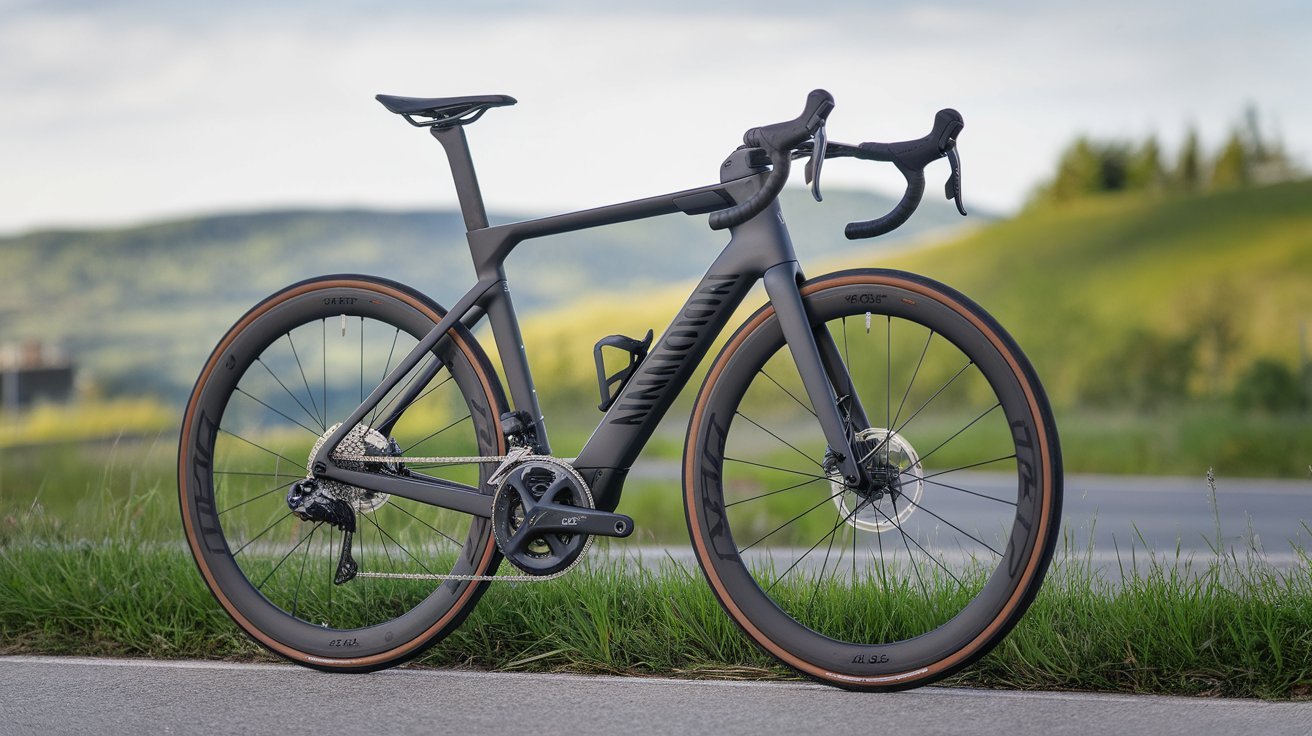
The Canyon Ultimate CF SLX 8 AXS is a premium carbon road bike designed for riders who want a fast, lightweight, aerodynamic, and highly versatile machine. Positioned within Canyon’s Ultimate range, this model combines an advanced CF SLX carbon frameset, modern aerodynamic development, electronic wireless shifting, a power meter, and deep-section carbon wheels.
For cyclists looking at high-performance road bikes in 2026, the Ultimate CF SLX 8 AXS is particularly appealing because it aims to deliver strong performance across multiple types of riding. It is built for climbing, fast group rides, racing, descending, and long-distance road cycling rather than being limited to a single specialist discipline.
The current Canyon configuration pairs a lightweight carbon frame with SRAM Force AXS wireless shifting, an integrated power meter, Zipp 404 S carbon wheels, and Pirelli P Zero Race SL-R tubeless-ready tires. Canyon lists the bike at approximately 7.16 kg (15.79 lb) in size Medium, depending on the market and standard specification.
Canyon Ultimate CF SLX Frame and Lightweight Carbon Construction
At the center of the Canyon Ultimate CF SLX 8 AXS road bike is Canyon’s fifth-generation Ultimate CF SLX frame.
The frame uses an advanced high-grade carbon fiber layup intended to balance low weight, stiffness, responsiveness, and durability. Canyon lists the CF SLX frame at approximately 885 grams, while the carbon fork is listed at approximately 367 grams.
Low frame weight remains important for riders who spend significant time climbing or accelerating. Every reduction in unnecessary weight can improve how quickly a bike responds to changes in pace, especially on steep roads and during repeated accelerations.
However, the Ultimate CF SLX is not simply designed to be as light as possible. Canyon has also incorporated aerodynamic development into the frame. The company states that the frame shapes were optimized through wind-tunnel testing in collaboration with aero specialists Swiss Side. Canyon notes that aerodynamic drag becomes the largest force resisting forward motion from relatively low speeds, making aerodynamic efficiency important even for riders who are not professional racers.
The frame also provides up to 33 mm of tire clearance, giving riders greater flexibility when choosing wider road tires for improved comfort, grip, and control.
This combination of low weight, aerodynamic shaping, and modern tire clearance helps make the Ultimate CF SLX platform suitable for a wide range of high-performance road riding.
SRAM Force AXS Wireless Shifting and Integrated Power Meter
One of the most important features of the Ultimate CF SLX 8 AXS is its electronic drivetrain.
The bike uses a SRAM Force AXS E1 wireless electronic shifting system, eliminating traditional mechanical shift cables. Electronic shifting provides precise gear changes and allows the drivetrain to maintain a clean and modern appearance.
The configuration includes a 12-speed SRAM Force cassette with a 10-33 tooth range and a SRAM Force AXS E1 crankset with an integrated power meter.
The integrated power meter is particularly valuable for serious cyclists and structured training. Instead of relying only on speed, heart rate, or perceived effort, riders can measure their actual power output in watts.
Power data can help cyclists:
- Structure interval training
- Monitor fitness progress
- Manage pacing during climbs
- Avoid starting long rides too aggressively
- Compare performance over time
- Analyze race and training efforts
The 10-33 cassette also provides a broad gear range suitable for fast roads and demanding climbs. Combined with the two-chainring configuration, the drivetrain offers closely spaced performance gearing while retaining useful low-end climbing capability.
For riders who want a premium bike without immediately adding an aftermarket power meter, the inclusion of this feature significantly strengthens the overall package.
Zipp 404 S Carbon Wheels and Pirelli Road Tires
The wheelset is another major performance feature of the Canyon Ultimate CF SLX 8 AXS.
Canyon equips the bike with Zipp 404 S carbon wheels featuring a 50 mm rim depth and 23 mm internal width. The wheels use carbon rims and are designed to provide aerodynamic benefits while maintaining versatility across varied road conditions.
A 50 mm rim depth represents a middle ground between shallow climbing wheels and extremely deep aerodynamic wheels. This makes the 404 S configuration suitable for riders who want speed on flatter roads without sacrificing the bike’s all-round character.
The bike is fitted with Pirelli P Zero Race SL-R TLR tires in a 28 mm width. The tubeless-ready design provides riders with the option of running a tubeless setup, subject to compatible components and correct installation.
Modern wider road tires can offer several advantages, including:
- Improved comfort
- Greater road-surface grip
- Better control on descents
- Potentially lower rolling resistance at appropriate pressures
- Improved confidence on imperfect pavement
The 33 mm maximum tire clearance also means that riders have room to explore wider compatible tire options when their roads and riding preferences call for additional comfort.
PACE Technology and Adjustable Carbon Cockpit
Canyon’s PACE cockpit technology is one of the more distinctive features of the latest Ultimate CF SLX platform.
The bike uses the CP0048 PACE T-Bar, an integrated carbon cockpit that provides approximately 50 mm of width adjustment and 20 mm of height adjustment, creating a total of 12 possible positions. Canyon states that these adjustments can be made with a single TX25 tool.
Fit is extremely important on a performance road bike. A cockpit that allows meaningful adjustment can help riders refine their position without immediately replacing expensive integrated components.
The ability to adjust the cockpit can be useful for riders seeking:
- A more aerodynamic position
- Greater long-distance comfort
- Improved handling confidence
- A better reach to the handlebars
- Different riding positions for racing or endurance riding
Canyon also offers different handlebar concepts within its PACE system. The Race Drops are designed for a more aerodynamic position, with a compact 116 mm drop and 14-degree flare angle, according to Canyon’s specifications.
This approach gives the Ultimate CF SLX 8 AXS a modern advantage: it combines the clean appearance of an integrated cockpit with a greater degree of fit flexibility than many traditional one-piece designs.
Road Performance: Climbing, Descending, and Aerodynamics
The Canyon Ultimate CF SLX 8 AXS is best described as an all-round race bike.
Its approximately 7.16 kg weight in size Medium, lightweight carbon frame, and responsive geometry make it particularly suitable for climbing and rapid acceleration. At the same time, the aerodynamic frame development and 50 mm carbon wheels help the bike maintain speed on flatter and faster roads.
This makes the bike appropriate for cyclists who do not want separate machines for climbing and aerodynamic riding.
On climbs, the low weight can make repeated elevation changes and steep gradients easier to manage. During fast group rides, the aerodynamic frame and wheels can help riders maintain momentum. On descents, the wide tire capability and modern disc-brake setup provide the control expected from a premium road bike.
The frame’s balanced geometry also contributes to the Ultimate’s versatility. Canyon’s size range extends from 2XS through 2XL, with frame dimensions designed to accommodate a broad range of rider heights.
For competitive riders, the bike offers a race-oriented platform. For ambitious recreational cyclists, it provides the technology and efficiency needed for demanding long-distance rides.
Braking, Seatpost, Saddle, and Rider Comfort
The Ultimate CF SLX 8 AXS uses SRAM Force AXS hydraulic disc brakes with 140 mm and 160 mm SRAM Paceline brake rotors, according to Canyon’s listed specifications.
Hydraulic disc brakes provide strong and consistent braking performance across a range of road conditions. This is particularly valuable during long descents and wet-weather riding, where predictable braking can improve rider confidence.
The bike also uses a Canyon SP0094 CF carbon seatpost, designed to provide low weight and compliance. Canyon lists the seatpost at approximately 118 grams and specifies a 10 mm setback.
The saddle is a Selle Italia SLR Advan, listed at 130 mm wide. While saddle comfort remains highly individual, the inclusion of a performance-oriented saddle complements the bike’s race-focused design.
Canyon has also integrated a practical tool solution. The removable through-axle lever can function as a TX25 tool for emergency adjustments, giving riders a convenient option for certain roadside adjustments.
Canyon Ultimate CF SLX 8 AXS Weight, Sizes, and Specifications
The following specifications summarize the current Canyon configuration:
| Feature | Specification |
|---|---|
| Frame | Canyon Ultimate CF SLX carbon |
| Frame weight | Approximately 885 g |
| Fork weight | Approximately 367 g |
| Complete bike weight | Approximately 7.16 kg / 15.79 lb in size M |
| Drivetrain | SRAM Force AXS E1 |
| Shifting | Wireless electronic |
| Cassette | 12-speed, 10-33T |
| Power meter | SRAM Force AXS E1 integrated |
| Wheels | Zipp 404 S carbon |
| Rim depth | 50 mm |
| Tires | Pirelli P Zero Race SL-R TLR, 28 mm |
| Maximum tire clearance | 33 mm |
| Cockpit | Canyon CP0048 PACE T-Bar |
| Cockpit adjustment | 50 mm width / 20 mm height |
| Brakes | SRAM Force AXS hydraulic disc brakes |
These specifications are based on Canyon’s current listed configuration and can vary by market, availability, size, or future product updates.
Is the Canyon Ultimate CF SLX 8 AXS Worth Buying in 2026?
For riders seeking a high-end carbon road bike, the Canyon Ultimate CF SLX 8 AXS offers a compelling combination of performance-focused equipment.
Its major strengths include:
- Lightweight CF SLX carbon construction
- Approximately 7.16 kg total weight
- SRAM Force AXS wireless shifting
- Integrated power meter
- Zipp 404 S 50 mm carbon wheels
- Pirelli tubeless-ready performance tires
- Modern aerodynamic frame design
- Adjustable PACE carbon cockpit
- 33 mm tire clearance
- Hydraulic disc brakes
- Strong climbing and all-round road performance
The bike is especially well suited to experienced riders who want one machine capable of handling climbing, racing, fast group rides, training, and long-distance road events.
At the same time, buyers should pay close attention to sizing. A premium road bike can only perform at its best when the rider’s position is appropriate, making Canyon’s sizing guidance and the adjustable PACE cockpit important parts of the purchasing process.
Conclusion
The Canyon Ultimate CF SLX 8 AXS road bike is a high-performance machine designed to balance lightweight climbing ability with aerodynamic efficiency and modern technology.
Its 885 g CF SLX carbon frame, SRAM Force AXS wireless drivetrain, integrated power meter, Zipp 404 S carbon wheels, 33 mm tire clearance, and adjustable PACE cockpit create a package that is highly competitive for serious road cyclists.
For riders in 2026 who want a premium all-round road bike rather than a machine dedicated exclusively to climbing or aerodynamics, the Ultimate CF SLX 8 AXS offers an impressive balance of speed, responsiveness, technology, comfort, and versatility.
Frequently Asked Questions About the Canyon Ultimate CF SLX 8 AXS
How much does the Canyon Ultimate CF SLX 8 AXS weigh?
Canyon lists the Ultimate CF SLX 8 AXS at approximately 7.16 kg (15.79 lb) for a size Medium with the standard specification.
Does the Canyon Ultimate CF SLX 8 AXS have electronic shifting?
Yes. It uses SRAM Force AXS E1 wireless electronic shifting.
Does the bike include a power meter?
Yes. The current configuration includes a SRAM Force AXS E1 crank-based power meter.
What wheels come with the Canyon Ultimate CF SLX 8 AXS?
The bike is equipped with Zipp 404 S carbon wheels with a 50 mm rim depth and 23 mm internal width.
What is the maximum tire clearance?
Canyon lists the Ultimate CF SLX frame and fork with 33 mm maximum tire clearance.
Is the Canyon Ultimate CF SLX 8 AXS good for climbing?
Yes. Its lightweight carbon construction and approximately 7.16 kg size-M weight make it well suited to climbing, while its aerodynamic design and 50 mm wheels also support fast all-round road riding.

If you are learning American Sign Language (ASL), one of the most useful everyday words to learn is “today.” We use this word constantly when discussing plans, appointments, school, work, meals, activities, schedules, and current events. Learning how to sign today in ASL gives beginners an immediately practical word that can be incorporated into many simple conversations.
ASL is a complete natural language with its own grammar, vocabulary, facial expressions, body movements, and linguistic structure. It is not simply spoken English translated word-for-word into hand movements. Current educational resources describe TODAY as a sign referring to the present day, while also noting similarities between TODAY and signs such as NOW and PRESENT.
In 2026, interest in ASL continues to grow through schools, universities, workplaces, accessibility programs, online courses, and Deaf-community activities. Recent educational initiatives and community programs also emphasize that learning ASL involves understanding Deaf culture and community, not merely memorizing individual signs.
What Does “Today” Mean in ASL?
The ASL sign for TODAY communicates the idea of the present day or something happening on this day. It is commonly used when talking about what is happening now, what happened earlier on the same day, or what someone plans to do during the current day.
Several ASL resources describe TODAY using a two-handed Y handshape, with the hands moving downward. Handspeak describes the sign as using two Y handshapes with the palms oriented upward and a downward movement.
It is useful to understand that written descriptions cannot completely replace seeing a fluent signer demonstrate the movement. Hand orientation, location, movement, facial expression, and natural signing speed all contribute to meaning in ASL.
For beginners, the most important goal is to learn the overall movement and concept rather than becoming overly concerned about tiny differences between demonstrations. As your ASL skills develop, watching Deaf and fluent ASL users can help you understand natural signing more accurately.
How to Sign “Today” in ASL
A common way to sign TODAY is to form a Y handshape with both hands. A Y handshape is made by extending the thumb and pinky while the other fingers remain closed. The hands are positioned in front of the body, generally around the lower torso area, and moved downward.
Some instructional sources describe the movement as a downward motion performed twice, while other descriptions present closely related variations.
A simple learning sequence is:
- Make a Y handshape with both hands.
- Position your hands in front of your body.
- Keep the palms oriented appropriately for the version you are learning.
- Make the characteristic downward movement.
- Practice the motion smoothly rather than making it stiff or exaggerated.
The exact appearance can vary between demonstrations because ASL is a living language, and signs can have regional, generational, stylistic, or contextual variation. For this reason, beginners should practice with reliable ASL instruction and observe how Deaf signers naturally use the word.
Today vs. Now in ASL
One of the most common questions beginners have is the difference between TODAY and NOW. The two concepts are closely related, and some instructional resources specifically point out that the signs can look similar. Ava’s ASL resource notes that the TODAY sign can also be associated with the idea of NOW, while Handspeak advises learners not to confuse TODAY with NOW.
Context is therefore extremely important. TODAY generally identifies the present day, whereas NOW emphasizes the present moment or current situation. English speakers might use the words interchangeably in casual conversation, but ASL grammar and context determine how a fluent signer expresses the intended meaning.
ASL teaching materials also explain that TODAY can historically be understood through combinations involving NOW + DAY, although modern ASL has developed its own natural form.
The best way to learn the distinction is not simply by memorizing written definitions. Watch complete sentences and conversations so you can see how fluent signers use time expressions naturally.
Using “Today” in Everyday ASL Sentences
Once you know the sign for TODAY, you can begin combining it with other basic ASL vocabulary. This makes learning more useful than memorizing isolated signs.
For example, a learner can practice concepts involving TODAY + WORK, TODAY + SCHOOL, TODAY + EAT, TODAY + BUSY, or TODAY + PLAN. The precise grammar and word order should be learned from a reliable ASL course or fluent signer rather than directly translating English sentence structure.
Time expressions are particularly important in ASL. Educational material on ASL time explains that signs referring to the present, including NOW, TODAY, and TONIGHT, are generally positioned around the present portion of the signer’s conceptual timeline. It also explains that ASL can establish tense through separate time indicators rather than changing the verb itself in the same way English does.
This is one reason learning complete phrases is valuable. You begin to understand how ASL expresses time, emphasis, sequence, and context, rather than simply learning individual English equivalents.
Tips for Learning Today in ASL Correctly
When practicing today in ASL, consistency and observation are more useful than repeatedly performing a mechanical hand movement. Start slowly and make sure your handshape is clear. Then gradually develop a natural signing rhythm.
It is also important to pay attention to facial expressions and body language. ASL communication involves much more than the hands. Facial expression, eye gaze, posture, and movement can contribute grammatical and emotional information.
Another useful strategy is to practice the word in meaningful sentences. Instead of signing TODAY repeatedly without context, imagine situations such as asking what someone is doing today, discussing today’s weather, explaining today’s plans, or talking about something that happened earlier.
Most importantly, learn from Deaf ASL users and qualified instructors whenever possible. ASL is connected to a vibrant Deaf community and culture. A 2026 University of California San Diego report on its ASL Club highlights the relationship between learning the language and developing an understanding of Deaf culture.
Why Learning “Today” Is Useful for ASL Beginners
The word TODAY is valuable because it immediately connects with everyday communication. Beginners can use it when discussing schedules, appointments, classes, work, meals, social activities, and personal plans.
It also introduces learners to an important feature of ASL: time expressions. Once you understand how TODAY works, you can begin exploring related concepts such as YESTERDAY, TOMORROW, NOW, TONIGHT, WEEK, MONTH, and YEAR.
Learning these concepts together can help you develop a broader understanding of how ASL organizes conversations around time. Instead of treating every sign as an isolated vocabulary item, you begin to recognize relationships between signs and grammatical structures.
The growing availability of ASL courses, community programs, university offerings, and online resources makes it easier for learners to practice beyond a single classroom. Current ASL education resources increasingly encourage learners to study phrases and real communication, rather than relying exclusively on individual vocabulary lists.
Frequently Asked Questions About Today in ASL
How do you sign “today” in ASL?
A common form uses two Y handshapes followed by a downward movement in front of the body. Exact demonstrations can vary, so learners should observe a reliable ASL instructor or fluent signer.
Is TODAY the same as NOW in ASL?
They are closely related, and some forms may look similar, but TODAY and NOW are not simply interchangeable in every context. Context and ASL grammar determine the intended meaning.
Can beginners learn TODAY quickly?
Yes. TODAY is a practical beginner vocabulary item, but mastering the individual sign is only the first step. Learners should practice it in complete phrases and conversations.
Does ASL use facial expressions?
Yes. Facial expressions, eye gaze, body movement, and posture can all contribute to ASL communication. Learning only handshapes without these elements can make signing look unnatural or change the intended meaning.
Is ASL just English in signs?
No. American Sign Language is a natural language with its own grammar and structure. It should not be approached simply as English translated into hand movements.
Conclusion
Learning today in ASL is a small but valuable step for anyone beginning American Sign Language. The sign commonly uses a Y handshape and downward movement, although learners may encounter variations in instructional materials and natural signing.
The most effective approach is to learn TODAY in context, practice it with other time expressions, and observe how fluent Deaf and ASL users communicate naturally. Understanding the difference between TODAY, NOW, and related time concepts can also help beginners move beyond memorizing vocabulary toward genuine ASL communication.
As ASL continues to receive greater attention in education, accessibility, workplaces, and community settings in 2026, learning practical signs such as TODAY can be an excellent starting point for developing useful communication skills while also gaining a deeper appreciation of Deaf culture and the ASL community.

YMCA Phoenixville: Complete Guide to Membership, Programs, Pools, and Facilities in 2026

2002 Cadillac Escalade: Complete Guide to Specs, Performance, Features, and Value in 2026

2026 Toyota Land Cruiser 1958: Complete Guide to Price, Specs, Hybrid Performance, Off-Road Capability, and Features


 celebrity3 months ago
Evin Harrah Cosby: Biography, Family Background, Career, Education, and Private Life
- celebrity3 months ago
Christopher Stokowski: Biography, Family Background, Career, and Private Life
- celebrity3 months ago
Marcy Wudarski: Biography, Career, Family, and Life Story
- celebrity2 months ago
Laurence Bailey: Biography, Career, Achievements, and Lasting Legacy
- celebrity2 months ago
Valentina Marie Skelton: A Remarkable Life Beyond Hollywood Fame
- Lifestyle2 months ago
TravelTweaks Hotels: The Complete Guide to Smarter Hotel Stays and Better Travel Experiences in 2026
- Business2 months ago
Weakspurn.com: A Complete Guide to the Platform, Features, Benefits, and Online Presence in 2026
- Entertainment2 months ago
Free Movie Websites Unblocked (2026 Guide): Safe, Legal, and Best Platforms to Watch Movies Online