
Business
Install Hardie Board Siding: A Complete Step-by-Step Guide for 2026


Install Hardie board siding, commonly known as James Hardie fiber cement siding, is a popular way to improve a home’s exterior appearance while adding a durable layer of protection against weather. Fiber cement siding combines cement, cellulose fibers, and other materials to create boards designed to resist many of the problems associated with traditional wood siding.
A successful installation requires more than simply attaching boards to exterior walls. Proper wall preparation, moisture management, flashing, layout, fastening, spacing, cutting, and painting all contribute to a long-lasting installation. Whether we are replacing old siding or building a new exterior, understanding the process helps us plan the project correctly and avoid expensive mistakes.
Important: James Hardie publishes installation requirements for its specific siding products and regions. Always follow the current manufacturer’s installation instructions, local building codes, and applicable weather-resistive-barrier requirements. For large or complicated projects, professional installation is strongly recommended.
What Is Hardie Board Siding?
Hardie board siding is a type of fiber cement siding manufactured by James Hardie. It is available in different profiles, textures, colors, and finishes, allowing homeowners to create traditional, modern, farmhouse, or other exterior styles.
Unlike natural wood siding, fiber cement is not dependent on organic wood fibers for its structural composition. Properly installed fiber cement siding can provide durability, resistance to rot and termites, and strong weather performance.
Common Hardie siding styles include:
- HardiePlank lap siding
- HardiePanel vertical siding
- HardieShingle siding
- Architectural panel and trim products
- Various decorative exterior trim options
The exact installation technique differs between products. For example, horizontal lap siding is installed differently from vertical panels or shingle-style products.
Before starting, we should identify the exact Hardie product, read its installation guide, and determine whether the project requires additional flashing or special fastening details.
Tools and Materials Needed to Install Hardie Board
Preparing everything before installation makes the project significantly easier. Fiber cement is durable, but it is also relatively heavy and can be brittle if handled or cut incorrectly.
Typical materials include:
- Hardie siding boards or panels
- Approved siding nails or fasteners
- Compatible exterior trim
- Flashing
- Weather-resistive barrier where required
- Joint flashing or approved joint treatment
- Exterior-grade caulk where specified
- Starter strips or approved starter material
- Exterior paint or touch-up coating when required
Common tools include:
- Tape measure
- Level
- Chalk line
- Circular saw
- Fiber-cement cutting blade
- Drill
- Pneumatic nailer, when appropriate
- Utility knife
- Snips
- Caulking gun
- Safety glasses
- Dust-control equipment
- Respiratory protection appropriate for the cutting method
Dust control is especially important when cutting fiber cement. Dry cutting can generate respirable dust, so we should use the manufacturer’s recommended cutting methods and appropriate protective equipment.
How to Prepare the Wall Before Installation
Good siding installation begins before the first board is attached. The existing exterior should be inspected for water damage, structural problems, mold, rot, or deteriorated sheathing.
Any damaged substrate should be repaired before the siding goes up. Installing new siding over a compromised wall can hide problems rather than solve them.
The wall should then be prepared according to the siding manufacturer’s instructions and local code. This may include installing an appropriate weather-resistive barrier, flashing around openings, and creating proper drainage details.
Windows and doors deserve particular attention. Flashing should be integrated correctly around these openings so that water is directed away from the wall assembly.
We should also establish a clear reference line around the building. A level chalk line helps keep the first course straight. Even a small error at the beginning can become increasingly visible as additional rows are installed.
How to Install Hardie Board Siding Step by Step
Once the wall is properly prepared, installation can begin.
1. Install the Starter Course
The first course establishes the position and angle of the siding above it. Use the manufacturer’s specified starter material or approved method rather than improvising.
The starter should be level and properly positioned. Check it repeatedly before fastening.
2. Cut the Siding Carefully
Measure each piece accurately before cutting. Fiber cement should be cut using an approved method that controls dust.
We should wear appropriate eye and respiratory protection and follow the cutting-tool manufacturer’s safety recommendations.
3. Position the First Siding Board
Place the first siding course according to the manufacturer’s required exposure. The siding should maintain the specified clearances from roofs, decks, windows, doors, and other surfaces.
Correct exposure is important because each subsequent course depends on the position of the previous one.
4. Fasten the Board
Use only approved fasteners and follow the manufacturer’s fastening schedule. Nails should penetrate the appropriate structural substrate to the required depth.
Avoid placing fasteners too close to board edges, and do not overdrive them. A damaged board can become more vulnerable to cracking or moisture problems.
5. Continue Up the Wall
Install subsequent courses while checking level, exposure, alignment, and fastening. Periodically step back and inspect the entire wall rather than concentrating only on the section immediately in front of us.
This helps identify gradual alignment errors before they become difficult to correct.
How to Handle Joints, Corners, Windows, and Doors
Details around openings and corners are among the most important parts of a Hardie board siding installation.
Boards should be joined according to the manufacturer’s specified joint method. Depending on the product and installation system, this may involve approved flashing, joint treatment, or other details.
At outside corners, use the appropriate Hardie trim or compatible exterior trim system. Corners should remain straight and properly aligned.
Around windows and doors, siding should be cut carefully while maintaining the required clearances. Flashing and water-management details must remain functional after the siding is installed.
We should never use caulk as a substitute for properly designed flashing or drainage. Caulk is a sealant, not a complete water-management system.
Painting, Finishing, and Maintenance
One major advantage of factory-finished fiber cement siding is that much of the finishing work may already be completed. If field painting is required, we should use a high-quality exterior acrylic paint or the coating specified by the manufacturer.
The exact painting requirements depend on whether the siding is factory-finished, primed, or unfinished. Follow the applicable James Hardie instructions rather than assuming every product uses the same coating procedure.
After installation, inspect the exterior periodically for:
- Damaged boards
- Cracked or failed sealant
- Improper clearances
- Loose trim
- Paint deterioration
- Signs of moisture intrusion
Routine maintenance is generally straightforward. Keeping gutters functioning properly and directing water away from siding can also help protect the exterior wall system.
Common Hardie Siding Installation Mistakes to Avoid
Several mistakes can reduce the performance and appearance of fiber cement siding.
Incorrect fastening is one of the biggest problems. Fasteners that are underdriven, overdriven, incorrectly positioned, or unsuitable for the substrate can compromise the installation.
Another common mistake is ignoring clearances. Siding should not simply touch roofs, decks, concrete, or other surfaces. Required clearances vary according to the product and application, so the manufacturer’s instructions should always control.
Poorly integrated flashing is another serious issue. Even excellent siding can perform poorly if water is allowed behind it.
We should also avoid installing boards over uneven or damaged walls. Fiber cement siding follows the underlying wall, so substrate problems can become visible after installation.
Finally, improper cutting can create excessive dust or damage the boards. Using the correct tools and dust-control methods is essential.
How Much Does It Cost to Install Hardie Board Siding?
The cost of a Hardie board siding project depends on the size and shape of the house, labor rates, existing siding removal, substrate repairs, trim requirements, product selection, accessibility, and geographic location.
Material costs represent only part of the overall project. Professional installation can add significant labor expense, but experienced installers can reduce problems involving layout, flashing, fastening, cutting, and finishing.
A realistic project estimate should account for:
Siding + trim + flashing + fasteners + removal + disposal + wall repairs + labor + painting/finishing
Obtaining several detailed quotes can help us compare contractors. The lowest bid is not necessarily the best value if it excludes essential moisture-management work or uses an installation method that does not comply with the manufacturer’s requirements.
Frequently Asked Questions
Can we install Hardie board siding ourselves?
Yes, experienced DIY homeowners can install some fiber cement siding products, but the work requires careful attention to safety, fastening, flashing, and manufacturer specifications. Larger projects may be better handled by qualified professionals.
Does Hardie siding need a weather barrier?
Wall assemblies commonly require a weather-resistive barrier or equivalent water-management system, but requirements vary by product and construction. Follow local code and the manufacturer’s current instructions.
Can Hardie board be cut with a regular saw blade?
Fiber cement should be cut using an appropriate blade and dust-control method. The manufacturer’s recommended cutting procedures should be followed.
How long does Hardie siding last?
Properly installed fiber cement siding can provide a long service life. Actual longevity depends on installation quality, climate, maintenance, product finish, and exposure.
Can Hardie siding be installed over existing siding?
Sometimes, but it depends on the existing siding, wall condition, local code, and manufacturer’s requirements. The substrate and water-management system must be suitable for the proposed installation.
Conclusion
Learning how to install Hardie board siding requires careful planning and attention to detail. The process involves much more than fastening boards to an exterior wall. Successful installation depends on proper substrate preparation, moisture management, flashing, accurate layout, approved fasteners, correct clearances, safe cutting, and appropriate finishing.
For a small project, a skilled DIY installer may be able to manage the work by following the product-specific instructions carefully. For an entire house, however, professional installation can provide valuable expertise in water management, complex openings, corners, trim, and local building requirements.
The most important rule is simple: follow the current installation instructions for the exact Hardie product being installed. When the siding, flashing, and wall assembly are installed correctly, fiber cement siding can provide a durable and attractive exterior for many years.
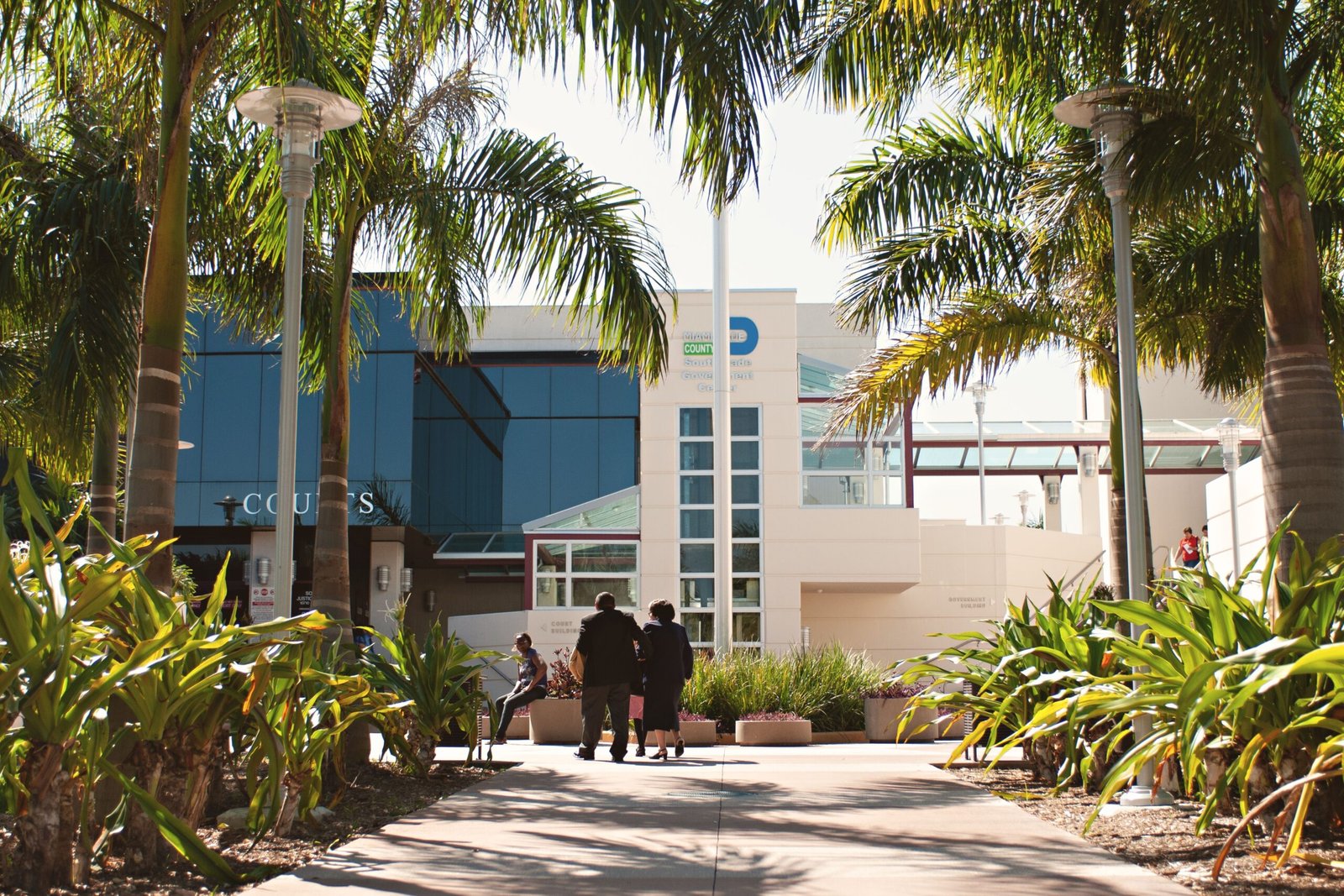
Cal State Long Beach, officially known as California State University, Long Beach (CSULB), is a public university in Long Beach, California. Commonly called The Beach, the university attracts students interested in undergraduate degrees, graduate education, professional development, research, and campus life in Southern California. Its location offers access to the greater Los Angeles area, coastal communities, cultural attractions, and a diverse employment market.
Students researching Cal State Long Beach in 2026 often want to understand its academic programs, admission requirements, tuition costs, campus facilities, and student experience. Whether you are a first-year applicant, a transfer student, or an international student, learning about these areas can help you decide whether CSULB fits your educational and career goals.
What Is Cal State Long Beach Known For?
Cal State Long Beach is part of the California State University (CSU) system, one of the major public university systems in the United States. The university offers a broad range of academic programs and emphasizes learning that can prepare students for professional careers, further study, and community involvement.
CSULB is known for its diverse student population, wide selection of majors, and location in Southern California. Students can explore fields such as business, engineering, health and human services, education, the arts, communication, and the sciences. Specific degree options and program requirements depend on the department and academic level.
The university’s setting also makes it appealing to students who want to study near the Pacific coast while remaining connected to a large metropolitan region. Long Beach offers access to beaches, restaurants, cultural events, and recreational activities, although commuting times and living expenses vary across the area.
Choosing a university involves more than reputation alone. Prospective students should compare their intended major, academic support, total cost, internship opportunities, and preferred learning environment before deciding whether Cal State Long Beach is the right choice.
Academic Programs and Degrees at CSULB
One of the main reasons students consider CSULB is its variety of academic pathways. Undergraduate students can pursue bachelor’s degrees across multiple disciplines, while eligible students can explore master’s degrees, credentials, certificates, and selected doctoral programs.
Students interested in business may investigate subjects such as accounting, finance, management, marketing, and information systems. Those drawn to technical careers can explore engineering, computer-related fields, mathematics, and the natural sciences. Other academic options include psychology, sociology, communication, the arts, education, and health-related disciplines.
The best program depends on a student’s interests, academic preparation, and career plans. Some majors have specific prerequisite courses, limited enrollment, portfolio requirements, or additional admission criteria. Applicants should review the official university catalog rather than assuming that every major follows the same process.
CSULB students should also look beyond course titles when comparing degrees. Reviewing internship options, research experiences, faculty interests, professional accreditation where applicable, and graduation requirements can provide a clearer picture of what a program offers.
For the most accurate information, consult the official CSULB website and the department responsible for your intended major.
Cal State Long Beach Admissions in 2026
Admission to Cal State Long Beach depends on the applicant’s educational background, intended major, academic qualifications, and the application term. First-year applicants and transfer students should follow the instructions designed for their specific category.
Applications are submitted through Cal State Apply, the application platform used by the California State University system. CSULB advises applicants to choose their intended major carefully because admission decisions are based on the major selected. Students should enter their academic history accurately and provide any documents requested by the university.
For fall 2027 admission, CSULB’s published key dates list August 1, 2026, as the date applicants can begin preparing their applications, with the official submission period opening on October 1. The listed application deadline for first-year applicants is November 30, 2026. Transfer deadlines and graduate-program deadlines can differ, so applicants should check the relevant category and term. <Cite refs={[“turn575272search0″,”turn575272search1”]} />
CSULB does not require SAT or ACT scores for first-year admission under its published application guidance. However, applicants must still satisfy the applicable eligibility requirements and any additional criteria for their intended program.
Because deadlines and program availability can change, confirm the latest requirements before submitting an application. Meeting the deadline does not guarantee admission, especially for majors with competitive selection.
Tuition, Fees, and Financial Aid
The cost of attending Cal State Long Beach includes tuition and mandatory campus fees, with additional expenses for housing, food, transportation, books, supplies, and personal needs. The total amount varies according to residency status, academic level, course load, and living arrangements.
For the 2026–2027 academic year, CSULB lists California resident undergraduate tuition and mandatory fees of $3,419 per semester for full-time enrollment and $1,981 per semester for part-time enrollment. These figures represent the published resident undergraduate totals and should not be treated as the complete cost of attendance for every student. <Cite refs={[“turn575272search3”]} />
Nonresident students generally pay an additional fee of $471 per semester unit under the published CSU schedule, subject to applicable exemptions and rules. Graduate students and students in specialized programs may have different charges. Fees can also change, so check the university’s current tuition page before budgeting.
Financial support may be available through federal and state aid, grants, scholarships, work-study, and student loans, depending on eligibility. Students should complete the appropriate financial aid application, monitor requests for supporting documents, and research scholarships early.
A realistic budget should include both university charges and everyday expenses. Comparing commuting, campus housing, and off-campus accommodation can help students understand the financial commitment more clearly.
Campus Life, Housing, and Student Experience
Campus life is an important part of the Cal State Long Beach experience. Students can take part in student organizations, academic clubs, cultural groups, recreation, campus events, and activities connected to their interests. These opportunities can help students develop friendships, explore leadership, and build professional connections.
Housing decisions depend on personal preferences, availability, and budget. Students may consider university housing, shared off-campus apartments, or commuting from home. Before choosing, compare rent, utilities, meal costs, transportation, lease conditions, and the time required to travel to classes.
Long Beach also offers access to outdoor recreation, local restaurants, arts and entertainment, and coastal attractions. The broader region may provide opportunities for internships, networking, and employment, depending on a student’s field and eligibility.
Students should explore academic advising, tutoring, career services, library resources, and other university support services early rather than waiting until a problem arises. These resources can be valuable for managing coursework, planning a degree, and preparing for life after graduation.
Is Cal State Long Beach a Good Choice in 2026?
Whether Cal State Long Beach is a good university for you depends on your academic goals, financial situation, preferred location, and chosen major. Its range of degree programs and position within the CSU system make it worth considering for students seeking public university education in Southern California.
Before applying, compare the curriculum of your preferred major with similar programs at other universities. Look at the total cost of attendance, admission selectivity, housing options, campus support, and opportunities relevant to your intended career. If possible, attend a campus tour or information session to understand the environment firsthand.
International applicants should pay particular attention to English-language requirements where applicable, transcript evaluation, immigration documentation, nonresident fees, and any additional deadlines. These requirements may differ from those for California residents.
The strongest decision is an informed one. Use official CSULB resources to confirm current requirements and make a plan that matches your goals, qualifications, and budget.
Frequently Asked Questions About Cal State Long Beach
What does CSULB stand for?
CSULB stands for California State University, Long Beach. The university is also commonly known as Cal State Long Beach or The Beach.
Where is Cal State Long Beach located?
It is located in Long Beach, California, in the greater Los Angeles region of Southern California.
When is the Cal State Long Beach application deadline for fall 2027?
The university’s published deadline for first-year applicants is November 30, 2026. Transfer and graduate applicants should verify their specific deadlines on the official admissions calendar.
How much is tuition at Cal State Long Beach in 2026–2027?
Published California resident undergraduate tuition and mandatory fees are $3,419 per semester for full-time enrollment. Additional living expenses and other costs may apply, and nonresident tuition is higher.
Does Cal State Long Beach require SAT or ACT scores?
CSULB’s published first-year application guidance states that SAT and ACT scores are not required for admission. Applicants should review current requirements and any program-specific instructions.
How can students apply to CSULB?
Most applicants begin through Cal State Apply, select the appropriate application category and major, provide accurate academic information, and complete any additional steps requested by the university.
Conclusion
Cal State Long Beach is a public university offering a wide range of academic opportunities in Southern California. Its programs, campus activities, and location make it an option for students exploring undergraduate and graduate education in 2026.
To make the most of your application, research your intended major, confirm the latest admission deadlines, estimate tuition and living expenses, and investigate financial aid early. Careful planning will help you determine whether CSULB aligns with your academic ambitions and long-term career goals.

The word Messonde is unusual, modern, and open to interpretation. Unlike familiar dictionary terms with one universally accepted definition, Messonde is currently used online as a symbolic concept associated with exploration, curiosity, personal growth, creativity, resilience, and the human journey. The website Messonde.com presents the word specifically as an invented expression rather than a traditional term, describing it as a symbol for exploring the unknown and discovering more about ourselves and the world around us.
At the same time, people searching for Messonde may encounter technical information about the similar German word Messsonde, which refers to a measuring probe. These two uses should not automatically be treated as identical. Understanding the context is therefore the key to understanding what Messonde means in 2026.
What Is Messonde?
Messonde is a modern concept centered on exploration and discovery. According to the website using the name, it represents the process of moving beyond familiar boundaries, asking questions, learning through experience, and remaining open to new possibilities.
The concept does not have to involve physical travel. Exploration can happen in many forms. We can explore a new subject, develop a creative skill, question an assumption, begin a new career, meet unfamiliar people, or simply look at an everyday problem from a different perspective.
This makes Messonde a flexible idea rather than a rigid system. There is no requirement to follow a particular program or set of complicated rules. Instead, the central theme is purposeful curiosity.
Messonde.com describes the concept as an invented expression that can represent exploration, probing into the unknown, or embarking on a deeply personal journey. Its meaning is deliberately broad, allowing individuals to connect the concept with their own experiences.
Messonde and Personal Growth
One of the strongest interpretations of Messonde involves personal development. Life is rarely a completely predictable path. People finish school, begin careers, develop relationships, face setbacks, change goals, and discover interests they never expected to have.
The Messonde concept encourages us to see these experiences as part of an ongoing journey rather than isolated events.
For example, learning a new skill may initially feel uncomfortable. We may make mistakes, experience frustration, or wonder whether we are capable of succeeding. Yet those difficulties can become valuable learning experiences. From a Messonde perspective, the important part is not simply reaching the final destination; it is also understanding what we learn while moving toward it.
This approach can make setbacks easier to interpret. A failed project does not necessarily represent wasted effort. It can reveal what needs to change. An unfamiliar experience can introduce new possibilities. A difficult challenge can strengthen confidence and resilience.
In this sense, Messonde represents growth through experience rather than perfection.
Messonde, Curiosity, and Exploration
Curiosity is at the heart of Messonde. Without curiosity, exploration rarely begins. Questions encourage us to investigate, compare possibilities, challenge assumptions, and discover information we did not previously know.
We can practice this principle in ordinary situations. Reading about a completely unfamiliar subject, learning another language, experimenting with a new recipe, visiting a new place, or starting a creative hobby can all become forms of exploration.
Messonde.com emphasizes that exploration does not need to involve extraordinary adventures. Small decisions can also expand our understanding of ourselves and the world.
This is especially relevant in 2026 because technology gives us access to enormous amounts of information. We can learn new subjects, communicate across borders, explore cultures, and experiment with creative tools from almost anywhere.
However, curiosity works best when combined with critical thinking. Exploring an idea does not mean automatically accepting everything we encounter. A thoughtful approach involves asking questions, checking evidence, considering different perspectives, and learning from reliable sources.
Messonde in Creativity and Everyday Life
Another important part of the Messonde concept is creative exploration. Artists, writers, musicians, designers, photographers, and other creators frequently work with uncertainty. A blank page or empty canvas represents an unknown possibility.
Creative work becomes an exploration because the final result is not always obvious at the beginning.
A writer may begin with one idea and discover an entirely different story while working. A musician may combine sounds in an unexpected way. A designer may experiment with several approaches before finding the most effective solution.
The same principle can apply outside professional creativity. We can approach cooking, home projects, education, business, hobbies, and personal organization as opportunities to experiment and improve.
Messonde therefore encourages an attitude in which trying something new has value even when the result is not perfect.
In everyday life, this could mean learning a new recipe, starting a challenging project, talking with someone outside our normal social circle, or setting a realistic goal that requires us to develop a new ability.
Messonde and Resilience
Exploration inevitably involves uncertainty. Not every experiment succeeds, and not every new direction produces the expected outcome. This is where resilience becomes an important part of the Messonde idea.
Messonde.com presents resilience as the ability to continue after setbacks rather than treating mistakes as permanent failures.
A resilient approach does not mean ignoring disappointment. Instead, it means using experience as information.
When something goes wrong, we can ask:
- What did we learn?
- What could we change?
- What worked better than expected?
- What should we avoid next time?
- What new possibility did the experience reveal?
These questions transform uncertainty into a learning process.
This does not mean every difficulty has to be viewed positively. Rather, the Messonde perspective encourages us to recognize that progress is rarely perfectly linear. Exploration may involve wrong turns, adjustments, pauses, and new beginnings.
Messonde and Its Technical Connection to Messsonde
People researching Messonde may also encounter the German technical term Messsonde. This creates an important spelling and context distinction.
Messsonde is associated with the idea of a measuring probe. In technical contexts, measuring probes can be designed to detect or measure physical or chemical properties such as temperature, pressure, humidity, conductivity, gases, or other variables. Several recent online explanations connect the spelling Messonde with this technical term.
However, the evidence should be handled carefully. Recent research has found that many general-interest websites repeat the measuring-probe explanation, while independent authoritative confirmation of “Messonde” itself as a standardized technical English term is less clear.
For technical research, searching for Messsonde, together with the exact measurement type or equipment involved, may therefore be more useful than assuming that Messonde identifies a specific standardized device.
The conceptual meaning presented by Messonde.com is separate: it focuses on exploration, curiosity, creativity, personal development, resilience, and discovery.
How to Apply the Messonde Mindset in 2026
We do not need a complicated system to apply the basic idea of Messonde. A few practical habits can encourage a more exploratory approach.
Ask more questions. Instead of immediately accepting familiar assumptions, investigate why something works and whether another approach might be better.
Try small experiments. Large changes can feel overwhelming. A small experiment lets us test an idea without committing everything at once.
Step outside the comfort zone. Learning often begins when we encounter something unfamiliar.
Reflect on experiences. After completing a project or trying something new, consider what we learned and how the experience changed our perspective.
Accept uncertainty. Not every question has an immediate answer. Sometimes exploration is valuable precisely because the destination is unknown.
Celebrate small discoveries. Progress does not always arrive as a dramatic breakthrough. A new skill, useful insight, or better understanding can represent meaningful growth.
These practices reflect the central message presented by Messonde.com: exploration can be part of ordinary life, not just extraordinary adventures.
Final Thoughts on Messonde
Messonde is best understood in 2026 as an emerging, flexible concept associated with exploration, curiosity, personal growth, creativity, resilience, and discovery. The website Messonde.com explicitly presents the term as a modern invented expression rather than an established traditional word.
The concept is useful because it gives a name to something familiar: the human desire to learn, experiment, understand, create, and move beyond what we already know.
At the same time, readers should be careful about confusing this modern conceptual meaning with the similar technical term Messsonde. In technical contexts, Messsonde relates to measuring probes, while the modern Messonde concept described by Messonde.com concerns the broader idea of exploration and the human journey.
Ultimately, Messonde encourages us to treat life as an ongoing process of curiosity and discovery. Whether we are learning a skill, starting a project, creating something original, overcoming a setback, or simply asking a better question, exploration can lead to new understanding. That is the central idea that makes Messonde relevant to modern life.
Frequently Asked Questions About Messonde
What does Messonde mean?
Messonde is an emerging concept associated with exploration, curiosity, creativity, personal growth, resilience, and discovery. Its website describes it as a modern invented expression rather than a traditional dictionary term.
Is Messonde a recognized dictionary word?
The Messonde.com website describes it as a modern, invented expression, so it should not automatically be treated as an established traditional English word.
What is the Messonde mindset?
The Messonde mindset emphasizes exploring unfamiliar ideas, learning through experience, accepting uncertainty, developing resilience, and remaining curious.
Is Messonde the same as Messsonde?
Not necessarily. Messsonde is a German technical term associated with a measuring probe, while Messonde.com uses “Messonde” as a modern concept centered on exploration. Context is essential.
Is Messonde a software platform?
The current Messonde.com website presents Messonde primarily as a concept or mindset, not as a conventional software application.
How can we use Messonde in everyday life?
We can apply the idea by asking questions, learning new skills, experimenting with new approaches, reflecting on experiences, and becoming more comfortable with uncertainty.
Why is curiosity important to Messonde?
Curiosity motivates exploration. It encourages us to ask questions, investigate unfamiliar subjects, and discover possibilities beyond our existing knowledge.
Is Messonde connected with personal development?
Yes. The concept presented by Messonde.com connects exploration with personal growth, learning, resilience, and discovering more about ourselves.

MataRecycler is a term that has attracted increasing attention online in 2026 because of its association with recycling, sustainability, waste management, and technology. The name can initially sound like a specific recycling machine or artificial-intelligence system, but the available information requires a more careful explanation. The clearest verifiable evidence shows that websites using the MataRecycler name present themselves primarily as informational and educational platforms about recycling and sustainability, rather than as a clearly documented manufacturer of a particular recycling machine.
At the same time, various third-party articles describe MataRecycler in connection with smart bins, sensors, automated sorting, artificial intelligence, and advanced waste-management systems. Those technologies are real areas of modern recycling, but claims that a specific commercial product called MataRecycler provides particular capabilities should be treated cautiously unless supported by identifiable technical documentation, a manufacturer, product specifications, or independently verified deployments.
What Is MataRecycler?
The most directly verifiable description of MataRecycler comes from websites using the name themselves. MataRecycler.com describes its purpose as promoting responsible recycling, sustainable practices, environmental awareness, waste reduction, reuse, and waste-management knowledge. Its stated goal is to make recycling information practical and accessible to individuals, businesses, and communities.
MataRecycler.org similarly describes itself as an information platform focused on modern recycling, sustainability, technology updates, and environmental awareness. Its stated mission is to provide understandable information that can help people learn about recycling and use modern technology more effectively.
This distinction matters because MataRecycler should not automatically be described as a physical recycling machine. A website can publish information about a technology without manufacturing or selling that technology.
The term has nevertheless been used online in broader discussions of smart recycling. Some articles describe it as an AI-assisted recycling concept involving sensors, cameras, automated sorting, and data systems. However, available evidence does not establish one universally recognized commercial product under that name.
How MataRecycler Is Connected With Smart Recycling
Modern recycling is increasingly influenced by automation, sensors, computer vision, artificial intelligence, robotics, and data analysis. These technologies can help recycling facilities identify materials and improve the efficiency of sorting processes.
This wider technological development is one reason the term MataRecycler may be associated with smart waste management. In an advanced recycling facility, cameras and sensors can identify different materials, while mechanical equipment separates those materials into appropriate streams. Data systems can then help operators monitor equipment performance, material flows, contamination, and other operational factors.
However, there is an important difference between describing how smart recycling works generally and claiming that a particular product called MataRecycler has implemented every one of those technologies.
Several online sources make specific claims about AI-powered sorting and impressive performance figures, but some investigations have found that such claims are not accompanied by identifiable manufacturers, product manuals, independent testing, named pilot projects, or documented customers.
Therefore, the most accurate approach in 2026 is to view smart recycling as a genuine technological field while treating specific MataRecycler product claims as unverified unless stronger evidence becomes available.
What Does MataRecycler Focus On?
The verified websites associated with the name emphasize several important sustainability subjects. These include recycling methods, waste reduction, reuse, responsible resource management, environmental awareness, and eco-friendly alternatives.
This focus reflects a broader change in how people think about waste. Recycling is important, but sustainable waste management also involves preventing unnecessary consumption, reusing products when possible, repairing usable items, and ensuring that recyclable materials are placed into appropriate collection systems.
A useful recycling information platform can help people understand why materials are separated, what contamination means, and why local recycling rules differ. It can also explain how households, organizations, and communities can reduce the amount of material sent to landfill or incineration.
MataRecycler’s stated goal of making information easier to understand is particularly relevant because recycling rules can be confusing. Not every plastic item is recyclable everywhere, and accepted materials depend on local facilities, collection programs, and processing capabilities.
For this reason, educational information should always be combined with local guidance when someone needs to determine whether a particular item belongs in a recycling bin.
Potential Benefits of Technology-Assisted Recycling
Whether or not a particular system is connected to the MataRecycler name, technology-assisted recycling has significant potential benefits.
Automated sorting can reduce the amount of manual work required for repetitive identification tasks. Optical systems and sensors can distinguish materials more quickly and consistently under suitable operating conditions. Artificial intelligence can also be trained to recognize visual characteristics associated with different types of waste.
Another potential advantage is data collection. Modern waste-management systems can monitor quantities, contamination levels, equipment performance, and collection patterns. Better information can help operators identify inefficiencies and make decisions based on measurable conditions.
Technology can also support resource recovery. When valuable materials are separated effectively, they can potentially be returned to manufacturing processes instead of being discarded.
Nevertheless, technology is not a substitute for good recycling practices. A sophisticated sorting system cannot eliminate the need for appropriate collection, contamination control, transportation, processing infrastructure, and markets for recovered materials.
The greatest environmental benefit comes from combining good waste-prevention practices with effective reuse, collection, sorting, and recycling systems.
Is MataRecycler a Real Product or Recycling Company?
This is one of the most important questions surrounding the keyword.
The websites using the MataRecycler name are real online platforms, and their own descriptions focus on recycling information and sustainability education.
However, available public evidence does not establish a single, clearly documented commercial MataRecycler recycling machine or AI platform with a confirmed manufacturer, model number, published technical manual, established customer base, or independently verified performance results.
Some websites describe MataRecycler as a smart recycling technology, while others explicitly note that these claims cannot currently be independently confirmed.
This means we should avoid treating statements such as specific sorting-accuracy percentages or recycling-rate improvements as established facts unless they can be traced to reliable technical studies or official documentation.
Anyone researching the subject should distinguish between the MataRecycler information websites, general smart-recycling technology, and claims about a supposed proprietary commercial system.
How to Evaluate MataRecycler Information in 2026
When researching an unfamiliar environmental technology, we should look for evidence rather than relying only on repeated descriptions. A genuine commercial technology normally leaves a recognizable trail of information.
Useful verification points include:
- Manufacturer or company identity
- Official product documentation
- Technical specifications
- Installation requirements
- Demonstrated customer deployments
- Independent testing
- Published research or case studies
- Transparent contact information
- Product pricing or procurement information
- Regulatory or safety documentation where applicable
The absence of these details does not automatically prove that a technology is fake. A project could be new, private, experimental, or still under development. However, it means that strong claims should not be presented as established facts.
This is particularly important with AI-related environmental claims. Terms such as “AI-powered,” “smart,” and “automated” can describe legitimate technology, but they do not by themselves prove performance.
For ordinary recycling decisions, the safest approach is to follow local waste-management authority guidance rather than relying on a general website to determine what materials are accepted.
Frequently Asked Questions About MataRecycler
What is MataRecycler?
MataRecycler is primarily associated with online information about recycling, sustainability, waste management, and environmental awareness. The websites using the name describe educational and informational purposes.
Is MataRecycler an AI recycling machine?
Some third-party websites describe it as an AI-powered recycling or automated sorting system, but a specific commercial machine with independently verified specifications has not been clearly established.
Does MataRecycler use artificial intelligence?
There are online claims connecting the name with AI, sensors, and automated sorting. However, those claims should not be confused with verified technical documentation for a proprietary MataRecycler system.
Is MataRecycler a recycling company?
The websites using the name present themselves primarily as information and educational platforms. There is insufficient public evidence to describe MataRecycler as an established global recycling-equipment manufacturer.
Can we buy a MataRecycler machine?
No clearly verified manufacturer or mainstream product listing for a commercial machine specifically called MataRecycler has been established in the available information. Claims about a purchasable device should therefore be checked carefully.
What does MataRecycler promote?
Its stated focus includes responsible recycling, waste reduction, reuse, sustainability, environmental awareness, and accessible educational information.
Is MataRecycler.com the same as MataRecycler.org?
They are different domains. Both use the MataRecycler name and discuss recycling-related subjects, but available information does not establish that they have identical ownership or management.
Conclusion
MataRecycler is a recycling- and sustainability-related name that has developed a noticeable online presence in 2026. The most verifiable information identifies websites using the name as platforms for recycling education, sustainability awareness, waste reduction, reuse, and environmental information.
The confusion begins when the name is presented as a specific AI recycling machine, smart-bin system, or advanced automated sorting platform. Although these technologies are genuine parts of modern waste management, current evidence does not establish one clearly documented commercial MataRecycler product with independently verified technical specifications.
For readers, the key is to separate verified information from unconfirmed claims. MataRecycler can be researched as an online sustainability information resource, while smart recycling should be understood as a much broader technological field involving sensors, automation, computer vision, robotics, and data analysis.
As recycling continues to evolve, accessible information can help individuals and organizations make better decisions. But the strongest decisions come from combining educational resources with local recycling rules, reliable environmental authorities, documented technology, and independently verifiable evidence.


 celebrity5 months ago
Evin Harrah Cosby: Biography, Family Background, Career, Education, and Private Life
- celebrity5 months ago
Christopher Stokowski: Biography, Family Background, Career, and Private Life
- celebrity4 months ago
Laurence Bailey: Biography, Career, Achievements, and Lasting Legacy
- celebrity5 months ago
Marcy Wudarski: Biography, Career, Family, and Life Story
- Lifestyle4 months ago
TravelTweaks Hotels: The Complete Guide to Smarter Hotel Stays and Better Travel Experiences in 2026
- celebrity4 months ago
Valentina Marie Skelton: A Remarkable Life Beyond Hollywood Fame
- Business4 months ago
Weakspurn.com: A Complete Guide to the Platform, Features, Benefits, and Online Presence in 2026
- Tech4 months ago
Almawadahit.com Technology: The Complete 2026 Guide to Digital Innovation, Tech News, AI, and Online Resources