
Health
2025 KT Tape Hamstring: Complete Guide to Hamstring Support, Application, Benefits, and Recovery

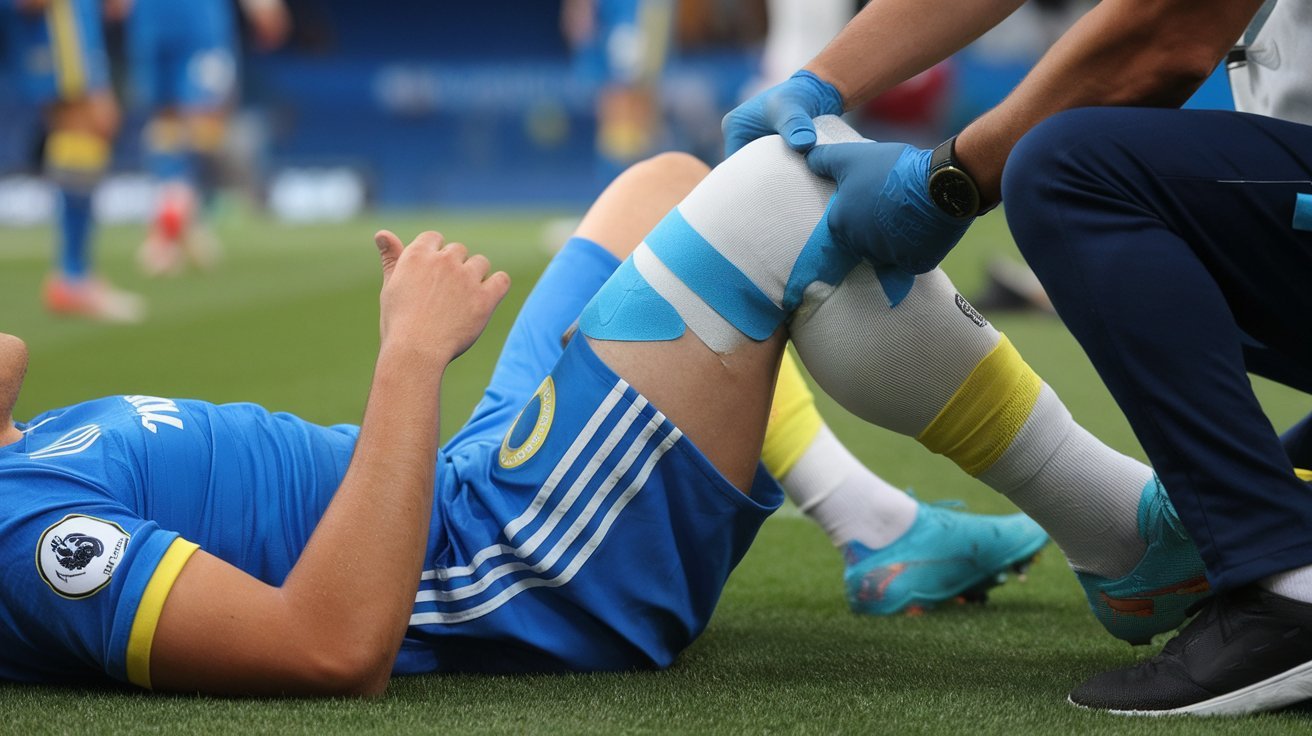
A hamstring injury can make everyday activities, exercise, running, and sports uncomfortable. Athletes often look for practical ways to support the back of the thigh while they recover, and 2025 KT Tape Hamstring applications have become a popular option. KT Tape is an elastic therapeutic tape designed to provide support without significantly restricting normal movement. When applied correctly, it may help provide support, proprioceptive feedback, and temporary comfort during activity.
In 2025 and into 2026, kinesiology tape remains widely used by runners, gym-goers, football players, basketball players, and other active people. However, tape should be viewed as a supportive tool rather than a treatment that repairs a torn muscle. Understanding when and how to use KT Tape can help us make more informed decisions about hamstring discomfort and recovery.
What Is KT Tape for the Hamstring?
KT Tape for the hamstring refers to applying kinesiology tape along the back of the thigh to provide targeted support. The hamstrings consist of three major muscles—the biceps femoris, semitendinosus, and semimembranosus—which work together to bend the knee and extend the hip. Because these muscles are heavily involved in sprinting, jumping, lunging, and rapid changes of direction, they are vulnerable to strains.
Unlike rigid athletic tape, kinesiology tape is stretchable and flexible. This allows the skin and underlying tissues to move naturally while the tape remains attached. KT Tape’s official guidance describes its hamstring application as a way to provide support for the hamstring area while maintaining mobility.
The tape does not physically hold a damaged hamstring together. Instead, its potential benefits are generally associated with sensory input and mechanical support at the skin level. Results can vary considerably between individuals.
Why Do People Use KT Tape for Hamstring Problems?
People commonly use KT Tape when dealing with hamstring soreness, minor strains, muscle tightness, or discomfort associated with physical activity. It may also be used during a return-to-activity program when a healthcare professional has determined that movement is appropriate.
One reason athletes like kinesiology tape is its flexibility. Traditional rigid tape can restrict movement, whereas elastic tape can move with the body. This may make it more comfortable during walking, training, or other controlled activities.
Potential reasons for using KT Tape include:
- Temporary support around the hamstring area
- Increased awareness of the taped region through sensory feedback
- Possible reduction in perceived discomfort during movement
- Support during low-intensity activity
- A flexible alternative to more restrictive taping methods
However, we should avoid treating these benefits as guarantees. Research on kinesiology tape has produced mixed results, and evidence does not establish it as a standalone treatment for hamstring injuries.
For a significant injury, rehabilitation should focus on appropriate load management, strengthening, mobility, and gradual return to sport, rather than relying solely on tape.
How to Apply KT Tape to the Hamstring
Correct application matters because poor placement or excessive tension can make the tape uncomfortable and may cause skin irritation.
A typical hamstring application begins by preparing the skin. We should ensure that the area is clean, dry, and free from excessive oils or lotions. Excess body hair can also interfere with adhesion.
The tape is generally positioned along the back of the thigh, following the direction of the hamstring. Depending on the specific KT Tape application, strips may begin closer to the lower portion of the hamstring and extend toward the upper thigh.
A basic approach is:
- Measure the tape against the affected area before cutting.
- Round the corners to reduce the likelihood of the edges peeling.
- Position the body comfortably so the hamstring can be taped without excessive tension.
- Apply the tape according to the manufacturer’s recommended technique.
- Avoid excessive stretching, particularly at the ends.
- Rub the tape gently after application to activate the adhesive.
- Check the skin for discomfort, numbness, burning, or unusual irritation.
The exact application technique can differ depending on whether the goal is general support, soreness management, or another specific application. For that reason, following the manufacturer’s current instructions or getting guidance from a physical therapist is preferable to improvising a complicated taping method.
Does KT Tape Actually Help a Hamstring Injury?
This is one of the most important questions surrounding KT Tape hamstring applications. Kinesiology tape may provide short-term sensory or comfort benefits for some people, but it should not be considered a replacement for rehabilitation.
Hamstring strains range from relatively minor muscle injuries to substantial tears. A person with a mild strain may be able to progress through controlled rehabilitation relatively quickly, while a severe injury may require professional assessment and a much longer recovery period.
Evidence regarding kinesiology tape is mixed. Some studies suggest that taping may influence pain perception, movement awareness, or short-term function, while other research finds limited additional benefit compared with standard care.
Therefore, we should think of KT Tape as an adjunct, not the main treatment.
A rehabilitation program may include progressively loaded exercises such as controlled hamstring strengthening, hip strengthening, functional movements, and eventually running drills. The progression should match the injury’s severity and the person’s symptoms.
KT Tape Hamstring vs. Other Support Methods
KT Tape is only one option for managing hamstring discomfort. Other approaches may be more appropriate depending on the injury.
Compression garments can provide a snug sensation around the thigh and may be convenient during exercise. Rigid athletic tape offers a different type of support but restricts movement more substantially. A physical therapist may recommend specific exercises, manual therapy, or temporary activity modification depending on the diagnosis.
For an acute injury, the most important consideration is usually not which tape we choose but how much load the injured tissue can safely tolerate.
Trying to tape the hamstring and immediately return to sprinting can be counterproductive if the muscle has not recovered sufficiently. Pain that disappears temporarily because of sensory input does not necessarily mean the tissue is ready for maximum effort.
Safety, Skin Reactions, and When to Seek Help
Most people tolerate kinesiology tape well, but skin irritation can occur. We should remove the tape if there is burning, significant itching, rash, blistering, numbness, or worsening discomfort. It should not be applied over open wounds, infected skin, or significant skin irritation.
We should also seek professional evaluation when hamstring pain is severe or unusual. Warning signs can include a sudden popping sensation, significant bruising, substantial swelling, marked weakness, difficulty walking, or persistent pain.
An athlete who repeatedly strains the same hamstring should also consider professional assessment. Recurring injuries can indicate insufficient rehabilitation, strength imbalance, mobility limitations, inadequate conditioning, or an overly rapid return to sport.
Most importantly, tape should never be used to mask serious symptoms and continue high-intensity exercise.
How KT Tape Fits Into Hamstring Recovery in 2026
A modern hamstring recovery strategy emphasizes progressive rehabilitation rather than passive support alone. KT Tape can potentially complement that process by providing comfort or sensory feedback while an athlete performs appropriate movements.
A sensible recovery progression often moves from protecting the injured area and controlling symptoms toward gradual strengthening, functional exercise, running, acceleration, deceleration, and eventually sport-specific activity.
The final stages are particularly important for athletes. A hamstring that feels comfortable while walking may not yet tolerate maximal sprinting. Returning to competition should therefore depend on strength, function, confidence, and sport-specific demands, not simply whether the tape makes the area feel better.
Frequently Asked Questions
Can KT Tape heal a hamstring strain?
No. KT Tape may provide temporary support or comfort, but it does not directly repair damaged muscle tissue. Appropriate rehabilitation remains central to recovery.
Can we sleep with KT Tape on the hamstring?
Some people leave kinesiology tape on for extended periods, but manufacturer recommendations should be followed. Remove it if the skin becomes irritated or uncomfortable.
Should KT Tape be tight on the hamstring?
Generally, kinesiology tape should not feel excessively tight. Too much tension can cause discomfort and skin problems.
Can we run with KT Tape on a hamstring strain?
Only if running is appropriate for the injury. Tape should not be used to override pain or allow an athlete to return to sprinting before the hamstring is ready.
How long can KT Tape stay on?
Duration depends on the specific product and individual skin tolerance. Follow the product instructions and remove it sooner if irritation develops.
Conclusion
The 2025 KT Tape hamstring application remains a popular option for athletes seeking flexible support during hamstring discomfort and rehabilitation. Its main appeal is that it can provide sensory feedback and a feeling of support without significantly restricting movement.
Nevertheless, KT Tape should not be viewed as a cure for a hamstring strain or tear. The foundation of recovery remains appropriate activity modification, progressive strengthening, functional rehabilitation, and a carefully managed return to sport. When symptoms are severe, persistent, or associated with significant bruising or weakness, professional medical evaluation is the safer choice.
Used appropriately, KT Tape can be one small component of a broader hamstring-care strategy—but the tape should support rehabilitation, not replace it.

YMCA Phoenixville: Complete Guide to Membership, Programs, Pools, and Facilities in 2026

2002 Cadillac Escalade: Complete Guide to Specs, Performance, Features, and Value in 2026

2026 Toyota Land Cruiser 1958: Complete Guide to Price, Specs, Hybrid Performance, Off-Road Capability, and Features


 celebrity3 months ago
Evin Harrah Cosby: Biography, Family Background, Career, Education, and Private Life
- celebrity3 months ago
Christopher Stokowski: Biography, Family Background, Career, and Private Life
- celebrity3 months ago
Marcy Wudarski: Biography, Career, Family, and Life Story
- celebrity2 months ago
Laurence Bailey: Biography, Career, Achievements, and Lasting Legacy
- celebrity2 months ago
Valentina Marie Skelton: A Remarkable Life Beyond Hollywood Fame
- Lifestyle2 months ago
TravelTweaks Hotels: The Complete Guide to Smarter Hotel Stays and Better Travel Experiences in 2026
- Business2 months ago
Weakspurn.com: A Complete Guide to the Platform, Features, Benefits, and Online Presence in 2026
- Entertainment2 months ago
Free Movie Websites Unblocked (2026 Guide): Safe, Legal, and Best Platforms to Watch Movies Online