
Blog
Kartchner Caverns: Complete Guide to Arizona’s Underground Natural Wonder

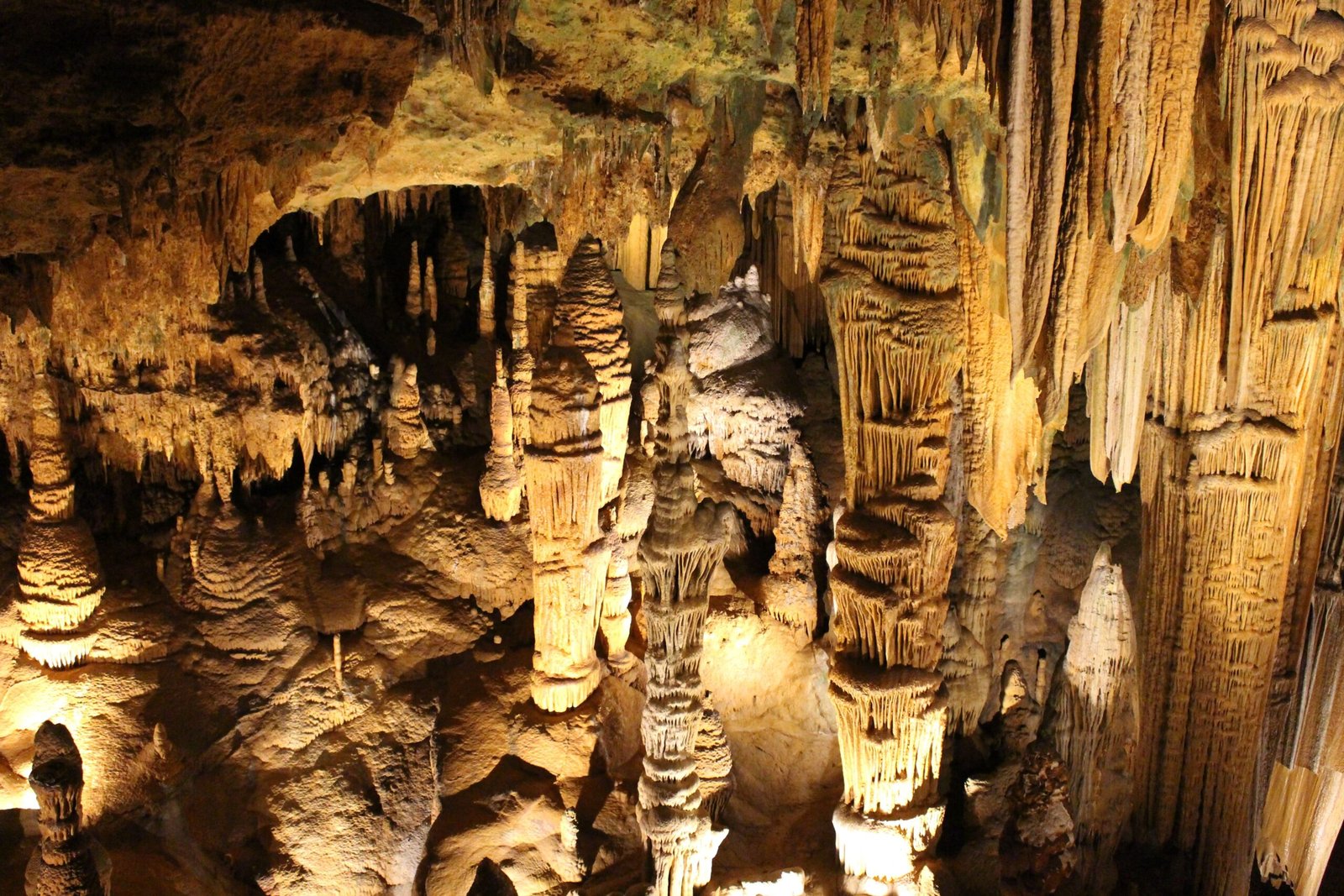
Kartchner Caverns is a remarkable limestone cave system located near Benson, Arizona, in the United States. Known for its colorful mineral formations, underground chambers, and delicate natural environment, it is one of the region’s most fascinating geological attractions. The caverns are protected within Kartchner Caverns State Park, where visitors can explore the underground world through guided tours.
What makes Kartchner Caverns special is that it is a living cave, meaning its mineral formations are still growing through natural geological processes. Visitors can discover impressive stalactites, stalagmites, massive stone columns, and unusual formations created over thousands of years. Whether you enjoy nature, geology, photography, or educational travel, this destination offers an unforgettable experience.
What Is Kartchner Caverns?
Kartchner Caverns is a protected limestone cave system in southeastern Arizona, situated near the Whetstone Mountains. The cave is famous for its excellent preservation and variety of mineral formations that have developed through the slow movement of water through limestone. Arizona State Parks manages the site to protect its delicate underground environment while allowing visitors to learn about its natural history.
Unlike ordinary tourist attractions, Kartchner Caverns offers a close look at geological processes that continue today. Water carries dissolved minerals into the cave and gradually deposits them as droplets fall or evaporate. Over long periods, these deposits create the beautiful structures that make the caverns so distinctive.
Where Is Kartchner Caverns Located?
Kartchner Caverns State Park is located at 2980 Arizona Highway 90, near Benson, Arizona. It lies in Cochise County, southeast of Tucson, and provides access to the natural landscapes surrounding the Whetstone Mountains. Its location makes it a potential stop for travelers exploring southern Arizona.
Visitors can reach the park by car from Benson and other nearby communities using regional highways. Before leaving, check the official park website for directions, entrance information, and current operating hours. Planning the journey in advance is especially helpful if you intend to book a cave tour at a particular time.
History of Kartchner Caverns
Kartchner Caverns was discovered in November 1974 by Gary Tenen and Randy Tufts, two cave explorers searching the limestone hills near the Whetstone Mountains. They recognized that the underground formations were unusually well preserved and understood that uncontrolled exploration could damage the cave. They kept the discovery confidential while working toward a plan to protect it.
In 1978, the explorers shared their discovery with landowners James and Lois Kartchner. After years of planning and cooperation with Arizona State Parks, the cave was developed as a protected public attraction. Kartchner Caverns State Park opened its cave tours to visitors in 1999, allowing people to experience the formations while supporting long-term conservation.
What Makes Kartchner Caverns Unique?
One of the most distinctive characteristics of Kartchner Caverns is its exceptionally humid underground environment. Unlike the dry desert landscape above ground, the cave maintains conditions that allow mineral formations to continue developing. Its natural environment is carefully managed because changes in temperature, humidity, and air circulation can affect these delicate structures.
The cave is also known for preserving fragile formations that have survived without extensive damage from earlier exploration. Protective systems, guided access, and visitor rules help maintain these features for future generations. This combination of natural beauty and careful conservation makes Kartchner Caverns especially interesting to scientists and nature enthusiasts.
Amazing Cave Formations Inside Kartchner Caverns
Kartchner Caverns contains a wide variety of formations created by mineral deposits accumulating over long periods. Stalactites hang from cave ceilings, while stalagmites rise from the ground beneath dripping water. When these structures gradually grow together, they can form large columns that become striking features of the underground chambers.
The cave also contains delicate soda straw stalactites, which are thin, hollow formations resembling narrow drinking straws. These structures are particularly fragile and can take a very long time to grow. Visitors should never touch or attempt to remove any formations because even minor damage can leave permanent marks.
Kubla Khan: A Famous Formation
One of the best-known features of Kartchner Caverns is Kubla Khan, a massive column formation recognized as the tallest known column in Arizona. It is approximately 58 feet tall and demonstrates how mineral deposits can accumulate over enormous periods. Its impressive size makes it a memorable highlight of the cave experience.
The formation developed through the gradual interaction of water, dissolved minerals, and the cave’s underground environment. Guided tours help visitors understand the natural processes responsible for creating such structures. Kubla Khan also illustrates why preserving the cave’s moisture and environmental stability is so important.
Kartchner Caverns Cave Tours
Guided cave tours are the main way visitors explore the underground sections of Kartchner Caverns. Tour guides explain the cave’s history, geology, mineral formations, and conservation requirements while leading visitors along designated routes. Advance reservations are recommended because tour capacity is limited and popular times may fill up.
The Rotunda/Throne Tour is offered throughout the year, while the Big Room Tour is seasonal. Tour availability, duration, accessibility arrangements, and prices can change, so visitors should check the official reservation system before planning their visit. Booking ahead can help you select a suitable time and avoid disappointment.
Rotunda/Throne Tour
The Rotunda/Throne Tour introduces visitors to important features of Kartchner Caverns through a guided underground experience. The route includes impressive mineral formations and offers opportunities to learn how water gradually creates the cave’s natural decorations. Visitors can also discover details about the explorers who first entered the cave.
The tour covers approximately half a mile and typically takes around 90 minutes, although schedules and conditions should be confirmed before booking. It is available year-round, making it a useful option for visitors traveling outside the seasonal Big Room period. Following the guide’s instructions helps protect both visitors and the cave environment.
Big Room Tour
The Big Room Tour provides access to a large underground chamber containing numerous natural formations. It is particularly interesting for people who want to learn more about the scale and diversity of the cave system. Guides explain the geological features and the importance of protecting the underground ecosystem.
This tour is seasonal because the Big Room serves as a nursery roost for female cave myotis bats during the warmer months. The usual visitor season runs from October 15 through April 15, but the current schedule should always be confirmed with Arizona State Parks. If you plan to visit specifically for the Big Room, check availability before arranging transportation or accommodation.
Wildlife and the Cave Ecosystem
Kartchner Caverns is more than a collection of beautiful rock formations; it is also an environment that supports wildlife. The Big Room provides an important seasonal nursery area for cave myotis bats, which use the protected space to raise their young. Their presence is one reason access to certain sections of the cave is restricted during particular times of year.
Scientists also study the cave’s environmental conditions and the organisms that live within it. Research into groundwater, humidity, mineral growth, and cave wildlife helps improve understanding of this sensitive ecosystem. Protecting the cave therefore supports both geological preservation and the survival of its natural inhabitants.
How Were Kartchner Caverns Formed?
The formation of Kartchner Caverns began millions of years ago when an ancient shallow sea deposited sediments that eventually became limestone. Geological movements later changed the position of the limestone layers in the region. Over time, slightly acidic rainwater entered cracks in the rock and gradually dissolved the limestone.
As water continued moving through the rock, it created underground passages and chambers. When groundwater levels dropped, some of these spaces became air-filled, allowing mineral formations to develop through dripping water. The process continues today, although the growth of many formations is extremely slow.
Best Time to Visit Kartchner Caverns
The best time to visit Kartchner Caverns depends on which activities you want to experience. The Rotunda/Throne Tour is generally available throughout the year, while the Big Room Tour usually operates during the cooler months when the chamber is not being used as a bat nursery. Visitors interested in a particular tour should check the current schedule before choosing travel dates.
Southern Arizona can experience very hot weather during summer, so outdoor activities may be more comfortable during cooler mornings or milder seasons. However, the underground cave environment remains humid and relatively stable compared with the desert outside. Checking the weather forecast, tour availability, and park hours can help you plan a smoother visit.
What to Bring When Visiting Kartchner Caverns
Preparing for your visit can make the experience more comfortable and enjoyable. Wear practical clothing and comfortable footwear suitable for walking, and bring drinking water for time spent exploring the outdoor areas. Follow the park’s instructions regarding bags, cameras, food, and other personal items before entering the cave.
Avoid bringing anything that could introduce debris or contaminants into the underground environment. Food, gum, candy, and other items may be prohibited during cave tours, so check the current visitor rules before arrival. Most importantly, listen to the guide and avoid touching formations or wandering away from the designated route.
Accessibility at Kartchner Caverns
Kartchner Caverns State Park has invested in making its visitor experience accessible to a wide range of people. The guided cave routes include developed pathways, and the park provides accessibility information to help visitors understand the available facilities. The exact suitability of a tour may depend on individual mobility needs and current arrangements.
Visitors who use wheelchairs or require additional assistance should contact the park before booking. Ask about route conditions, transportation to the cave entrance, seating, and any other accommodations that may be needed. Confirming these details in advance can help ensure the chosen experience is appropriate and comfortable.
Other Things to Do at Kartchner Caverns State Park
The underground tours are a major attraction, but there are also activities to enjoy above ground. Visitors can explore the Discovery Center, learn about cave geology, and discover how scientists study and protect the environment. The park also offers outdoor opportunities such as walking trails, picnic areas, and camping facilities.
A useful plan is to visit the Discovery Center before your scheduled cave tour and then spend time exploring the surrounding landscape afterward. This approach provides context for the underground experience and allows you to enjoy more of the park. Check which facilities are open during your visit, particularly if you are traveling outside the main season.
Conservation: Why Protecting Kartchner Caverns Matters
Kartchner Caverns is protected because its formations and ecosystem are vulnerable to human activity. Touching the rocks can leave oils and fibers on their surfaces, while changes in airflow and humidity can affect the natural conditions that allow formations to grow. Even small disturbances may have long-lasting effects in an environment that develops over thousands of years.
The park uses guided tours, environmental monitoring, and visitor rules to reduce these risks. Visitors can support conservation by staying on designated paths, following instructions, and leaving every natural feature undisturbed. Responsible tourism helps ensure that future generations can experience the cave in much the same condition as today’s visitors.
Tips for Planning Your Visit
Start by checking the official Kartchner Caverns State Park website for tour availability, current prices, park hours, and reservation requirements. If the Big Room is your main priority, verify that it is open during your planned dates. Arriving with a confirmed reservation can make your visit easier to organize.
Allow additional time for the Discovery Center, parking, check-in, and other park activities. If you are traveling from Tucson or another nearby city, consider the driving time and avoid scheduling your tour too tightly around other plans. A little preparation can help you enjoy the visit without rushing.
Frequently Asked Questions About Kartchner Caverns
Where is Kartchner Caverns located?
Kartchner Caverns State Park is located near Benson in southeastern Arizona, United States. Its official address is 2980 Arizona Highway 90, Benson, Arizona, making it accessible by road from nearby communities.
When was Kartchner Caverns discovered?
The cave was discovered in November 1974 by Gary Tenen and Randy Tufts. They later worked with the landowners and Arizona State Parks to protect the site before it opened for public cave tours in 1999.
What is Kartchner Caverns famous for?
Kartchner Caverns is famous for its living limestone formations, high humidity, delicate soda straw stalactites, and the massive Kubla Khan column. Its careful conservation practices also help preserve the cave’s natural environment.
Can you explore Kartchner Caverns without a guide?
The developed tourist sections of Kartchner Caverns are visited through guided tours rather than independent exploration. Visitors must follow the designated routes and the instructions provided by park staff to protect the cave and maintain visitor safety.
How long does a Kartchner Caverns tour take?
The Rotunda/Throne Tour typically takes about 90 minutes and covers approximately half a mile. The Big Room Tour has its own schedule and duration, so check the official booking information for the latest details.
Is Kartchner Caverns open all year?
The park’s above-ground facilities and the Rotunda/Throne Tour generally operate throughout the year, subject to official schedules and closures. The Big Room Tour is seasonal, typically running from October 15 to April 15 because of the bats’ nursery season.
Are children allowed at Kartchner Caverns?
Families can visit the park, but age requirements may vary by tour. Check the official tour descriptions and current visitor rules before booking for children, particularly if you plan to take the Big Room Tour.
Do I need reservations for Kartchner Caverns?
Reservations are strongly recommended because cave tours have limited capacity and may sell out. Check the official Arizona State Parks reservation system for available dates, times, prices, and same-day booking information.
Conclusion
Kartchner Caverns is one of southern Arizona’s most remarkable natural attractions, offering visitors an opportunity to explore a living limestone cave filled with unusual formations and fascinating geological features. Its history, wildlife, and carefully preserved environment make it valuable not only as a tourist destination but also as a place for scientific study and conservation.
If you are planning a trip to Kartchner Caverns, review the official tour schedule, book in advance, and allow time to explore the Discovery Center and surrounding park. Following the conservation rules helps protect the delicate underground ecosystem while ensuring a memorable experience. For anyone interested in geology, nature, or unusual travel destinations, Kartchner Caverns is well worth discovering.
Blog
Language Exchange 2026: Complete Guide to Learning Languages, Finding Partners, and Building Fluency

Language exchange is one of the most practical ways to learn a new language, improve speaking confidence, and connect with people from different cultures. Instead of relying exclusively on textbooks, grammar exercises, and memorization, learners communicate with people who speak their target language. In return, they help their partners practice a language they know. This shared learning experience creates opportunities to develop conversational skills, discover cultural differences, and use a language in everyday situations.
In 2026, language exchange is more accessible than ever. Learners can connect through mobile applications, online communities, video calls, messaging platforms, and in-person meetups. Whether we want to learn English, Spanish, Japanese, French, Korean, Arabic, or another language, the right exchange partner can help us practice naturally and consistently.
However, successful language exchange requires more than simply finding someone who speaks another language. We need clear learning goals, regular practice, respectful communication, and a willingness to correct mistakes. This guide explains how language exchange works, its benefits, the best ways to find partners, and practical strategies for making steady progress.
What Is Language Exchange and How Does It Work?
Language exchange is a learning arrangement in which two or more people help each other practice different languages. For example, an English speaker learning Spanish might partner with a Spanish speaker learning English. They divide their conversation time between the two languages so both participants receive opportunities to practice.
Unlike a traditional language class, language exchange usually involves informal conversation, personal experiences, questions, and everyday communication. Partners might discuss hobbies, food, travel, education, work, films, or current events. These discussions introduce useful vocabulary and help learners understand how people actually speak outside a classroom.
Language exchange can take place online or in person. Online exchanges often use video calls, voice messages, text chats, or language-learning applications. In-person exchanges may happen in cafés, libraries, universities, community centers, or organized language meetups.
The arrangement works best when both participants contribute equally. If one person spends the entire session practicing their target language, the other may not receive a fair opportunity to learn. A simple solution is to divide a 60-minute session into two 30-minute sections, giving each person dedicated practice time.
The goal is not to speak perfectly from the beginning. Instead, language exchange helps learners communicate, identify weaknesses, and gradually become more comfortable using another language.
Benefits of Language Exchange for Faster Language Learning
One of the greatest benefits of language exchange is the opportunity to practice real communication. Reading and listening exercises are valuable, but speaking with another person requires us to retrieve vocabulary, construct sentences, understand responses, and react in real time. Regular conversations help develop these skills together.
Improved speaking confidence is another major advantage. Learners who rarely speak their target language may worry about pronunciation, grammar mistakes, or forgetting words. Practicing in a supportive environment can reduce this anxiety and make everyday conversations feel less intimidating.
Language exchange also improves listening comprehension. Native and fluent speakers may use contractions, informal expressions, different accents, and natural speaking speeds. Exposure to these patterns helps learners understand conversations that sound different from carefully recorded textbook examples.
Cultural learning is equally important. A language reflects the traditions, humor, social expectations, and everyday experiences of its speakers. Through conversation, we can learn when particular expressions are appropriate, how people greet one another, and which phrases may sound too formal or informal.
Another benefit is flexibility. Partners can choose topics that interest them, schedule sessions around their routines, and focus on specific challenges. Someone preparing for a job interview can practice professional vocabulary, while a traveler may focus on directions, restaurant conversations, and transportation.
Although language exchange can accelerate practical learning, progress depends on consistency and effort. It works especially well when combined with grammar study, vocabulary review, reading, and listening practice.
Best Language Exchange Apps and Websites in 2026
Choosing the right platform can make finding a compatible partner much easier. Different services offer different features, so we should consider our learning goals, preferred communication style, available languages, and privacy requirements.
Tandem is a popular language exchange platform that helps learners connect with people who speak their target language. Depending on available features, users can communicate through text, voice messages, and calls. It can be useful for people who prefer direct conversations with individual partners.
HelloTalk focuses on language practice through communication and community features. Learners can use text, voice, and other supported tools to exchange language knowledge. Features may vary by platform and subscription, so users should check the current service details.
ConversationExchange helps people find partners for language practice through different communication arrangements, including online conversations and in-person meetings where available. It may appeal to learners who want to organize exchanges independently.
Meetup can be useful for finding local language groups, conversation clubs, and international communities. Availability depends on the city, and some events may charge a fee.
Discord communities and other online language-learning groups can provide informal opportunities to practice through text and voice channels. These communities vary in moderation, activity, and quality, so choosing a well-managed group is important.
Before selecting a service, we should confirm that it supports our target languages and preferred communication methods. It is also helpful to review privacy settings, community rules, and any subscription costs.
How to Find the Right Language Exchange Partner
Finding a compatible partner is often more important than joining the most popular platform. A good partner is patient, dependable, respectful, and interested in helping both people improve.
Start by identifying your goals. We might want to improve conversational English, practice Spanish pronunciation, prepare for studying abroad, or become more comfortable with professional communication. Clear goals make it easier to find someone whose learning needs complement our own.
Next, look for a partner with compatible availability. A person who can practice twice a week may be a better choice than someone who is highly skilled but rarely has time for conversation. Consistency helps build familiarity and makes it easier to track improvement.
It is also useful to agree on correction preferences. Some learners want immediate feedback on every mistake, while others prefer corrections after finishing a thought. Discussing these preferences prevents conversations from becoming uncomfortable or unnecessarily interrupted.
Choose interesting topics that both partners can discuss. Shared interests such as cooking, sports, technology, music, books, and travel create natural opportunities for communication. As the relationship develops, conversations can gradually become more challenging.
Finally, remember that a language exchange is a mutual arrangement, not a free private tutoring service. Both partners should receive meaningful practice and respect each other’s time.
Effective Language Exchange Strategies for Better Results
To get the most from language exchange, we should approach each session with a simple plan. Spontaneous conversations are valuable, but having a goal helps us identify what to practice and measure our progress.
Prepare vocabulary before each session. Choose five to ten useful words or expressions related to the planned topic. For example, a conversation about travel might include vocabulary for booking accommodation, asking for directions, and discussing transportation.
Divide the session fairly. If both participants are learning different languages, allocate approximately half the conversation to each language. During one section, one partner practices while the other provides support; then switch roles.
Ask for useful corrections. Rather than correcting every small error, partners can focus on mistakes that affect meaning or appear repeatedly. Write down important corrections and review them after the conversation.
Use active listening. Ask follow-up questions, repeat unfamiliar expressions, and request clarification when necessary. These habits help develop comprehension and keep the conversation moving.
Review after every session. Record new vocabulary, useful phrases, pronunciation challenges, and grammar patterns. Revisiting this information between sessions helps turn conversation into lasting knowledge.
Stay consistent. Two or three shorter sessions each week may be more practical than one long conversation followed by several weeks without practice. A sustainable routine is easier to maintain and provides repeated opportunities to use new language.
We should also combine speaking practice with independent learning. Reading, listening to podcasts, reviewing grammar, and using flashcards can fill gaps that conversation alone may not address.
Common Language Exchange Mistakes to Avoid
Although language exchange offers many benefits, certain habits can limit progress. One common mistake is speaking only in the language that feels easiest. This may create comfortable conversations, but it prevents one partner from receiving enough target-language practice. Dividing the session fairly helps solve this problem.
Another mistake is expecting a partner to teach everything. Language exchange is most effective when both people take responsibility for learning. We should prepare questions, review corrections, and study unfamiliar grammar independently rather than expecting the other person to provide a complete course.
Avoid choosing conversations that are consistently too difficult. Advanced topics can be useful, but learners also need discussions that match their current abilities. Asking partners to speak more slowly, rephrase a sentence, or explain an expression is a normal part of learning.
It is equally important to protect personal information. Use platform privacy controls, avoid sharing sensitive details with strangers, and arrange in-person meetings in public places. If a conversation becomes uncomfortable or someone repeatedly ignores boundaries, ending the interaction is appropriate.
Finally, do not measure success solely by the number of mistakes made. Progress may appear as faster responses, better listening comprehension, improved pronunciation, or greater confidence in unfamiliar situations.
Conclusion: Is Language Exchange Worth Trying in 2026?
Language exchange is a flexible and accessible way to practice communication, develop speaking confidence, improve listening skills, and learn about other cultures. By connecting with compatible partners through applications, websites, local meetups, and online communities, learners can turn language study into a more interactive experience.
The best results come from clear goals, fair conversation time, constructive corrections, and regular practice. Combining language exchange with independent study can provide a balanced approach that develops both practical communication and a stronger understanding of grammar and vocabulary.
Whether we are learning English for career opportunities, Spanish for travel, Japanese for cultural interests, or another language for personal development, a reliable exchange partner can make the journey more engaging. With patience, consistency, and mutual respect, language exchange can become a valuable part of a long-term language-learning routine.

The Wizard of Oz Sphere experience in Las Vegas brings the beloved 1939 movie to life through enormous immersive visuals, advanced sound technology, and sensory effects that make audiences feel as though they have stepped into the Land of Oz. Hosted at Sphere, the futuristic entertainment venue in Las Vegas, Nevada, this production transforms a classic Hollywood film into a large-scale cinematic adventure surrounding viewers with images, sound, and carefully synchronized environmental effects.
Since opening on August 28, 2025, The Wizard of Oz at Sphere has become one of the venue’s best-known experiences. The production uses Sphere’s expansive interior LED display, immersive audio system, haptic seating, and environmental effects to recreate Dorothy’s journey from Kansas to Oz. In September 2026, the experience introduced additional 4D effects, including animatronic Winged Monkeys, themed scents, scented apples, pyrotechnic fireworks, and Glinda Glitter.
For anyone searching for Wizard of Oz Sphere tickets, prices, showtimes, 4D effects, duration, and visitor information in 2026, this guide explains what makes the production distinctive, what audiences can expect, and how to plan a visit.
What Is the Wizard of Oz Sphere Experience?
The Wizard of Oz at Sphere is an immersive presentation of the original 1939 musical fantasy film starring Judy Garland as Dorothy Gale. Instead of watching the movie on a conventional cinema screen, visitors experience an expanded visual environment designed to fill their field of view with scenes from the film.
The story follows Dorothy, a young girl transported from Kansas to the magical Land of Oz by a powerful tornado. Along the Yellow Brick Road, she meets the Scarecrow, the Tin Man, and the Cowardly Lion. Together, they travel toward the Emerald City in the hope of meeting the Wizard, who they believe can help them achieve their wishes.
At Sphere, familiar scenes are presented on a much larger scale. The tornado sequence, colorful landscapes, enchanted forests, and Emerald City become part of a surrounding visual environment rather than remaining confined to a standard rectangular screen.
The production preserves the recognizable story and performances while using modern visual effects and sound technologies to create a different way to experience the classic movie. According to Sphere’s official information, the presentation runs for approximately 75 minutes.
One important distinction is that this is an immersive film experience, not a conventional live stage musical. Visitors do not need virtual-reality headsets or special glasses. The venue’s display, audio, seating, and environmental systems provide the immersive effects.
Wizard of Oz Sphere 4D Effects and Special Technology
A major attraction of the Wizard of Oz Sphere experience is its combination of large-scale visuals with physical sensations. The production uses technologies designed to make key moments feel more immediate, allowing audiences to experience parts of Dorothy’s adventure through more than sight and sound.
The main technologies and effects include:
Immersive LED display: Sphere’s approximately 160,000-square-foot interior display plane wraps around, above, and across the audience’s field of view.
Sphere Immersive Sound: A system featuring 167,000 programmable speakers delivers detailed audio throughout the venue.
Haptic seats: Special seating produces physical sensations synchronized with selected moments in the film.
Wind and atmospheric effects: High-velocity air, fog, and other environmental simulations help recreate moments such as Dorothy’s tornado journey.
Enhanced 4D effects: The expanded presentation introduced in September 2026 adds animatronic Winged Monkeys, themed scents, scented apples, pyrotechnic fireworks, and Glinda Glitter.
These elements help turn familiar scenes into a multisensory experience. For example, the tornado sequence combines dramatic visuals and physical sensations, while the Land of Oz features colorful imagery and atmospheric details that enhance the feeling of entering a fantasy world.
The sound design is another important component. Sphere Studios worked with archival material and the venue’s audio technology to present the film’s music with greater clarity and an expanded sound environment, while preserving the original cast’s vocal performances.
The experience also uses artificial intelligence alongside traditional visual effects to adapt the original film to Sphere’s unusual screen dimensions. Techniques include increasing image resolution, extending images beyond the original frame, and creating visual details that were not visible in the original camera framing. The project was developed with Sphere Studios, Warner Bros. Discovery, Google, and Magnopus.
Wizard of Oz Sphere Tickets, Prices, and Showtimes in 2026
The Wizard of Oz at Sphere offers multiple showtimes on scheduled dates, and tickets are available through the venue’s official booking website. As of October 2026, the official announcement states that tickets are on sale through the beginning of 2027. Ticket prices and availability vary by date, seating, and experience package, so checking the live calendar is the most reliable way to plan a visit.
Plan your visit
Tickets and showtimes
Check current dates, available seats, and prices on the official Sphere website.
Duration
Approximately 75 minutes for the film experience.
Age guidance
Intended for guests aged 6 and older. Every guest requires a ticket.
Arrival
Doors open 45 minutes before the time listed on the ticket. Late seating is not permitted.
All these details come from the venue’s official visitor information, but schedules and policies can change.
For the best choice of seats and showtimes, book directly through the official website. If you are visiting Las Vegas during a holiday or busy travel period, check availability early. Premium and VIP experiences may offer additional features, so compare their descriptions before paying extra.
What to Expect When Watching Wizard of Oz at Sphere
A visit begins before the main film experience. Guests enter the venue and may explore the Atrium, where Sphere offers additional visual and interactive elements. The experience then moves into the main auditorium, where the film is presented across the expansive display.
During the screening, audiences can expect familiar scenes from the 1939 movie presented with enhanced imagery, immersive sound, and synchronized physical effects. The tornado, Dorothy’s arrival in Oz, the journey along the Yellow Brick Road, and the colorful Emerald City are among the story’s memorable moments.
The experience is particularly appealing to people who already love the original movie, but it can also introduce younger audiences to a classic story in a new format. Families, film enthusiasts, and visitors interested in emerging entertainment technology may all find something to appreciate.
A few practical tips can make the visit smoother:
Arrive early: Doors open 45 minutes before the scheduled start, and late seating is not permitted.
Review the effects: Wind, scents, haptic seating, flashing lights, loud sounds, and pyrotechnics may be part of the experience.
Consider younger guests: The production is intended for ages six and older, and all guests need tickets.
Check accessibility information: Contact Sphere’s accessibility team in advance if you require seating adjustments or other assistance.
Follow photography rules: Photos and videos may be taken in the Atrium, but recording is not permitted during the film experience.
Visitors who are sensitive to intense sensory effects should review the venue’s guidance before booking. The combination of movement sensations, lighting, sound, and atmospheric effects may not be comfortable for everyone.
Frequently Asked Questions About Wizard of Oz Sphere
Where is the Wizard of Oz Sphere experience located?
It takes place at Sphere, 255 Sands Avenue, Las Vegas, Nevada 89169. Consult the official website for directions, parking, and venue information.
How long is the Wizard of Oz Sphere movie?
The immersive film experience lasts approximately 75 minutes. Allow extra time for arrival, entry, and exploring the venue’s Atrium.
How much are Wizard of Oz Sphere tickets?
Prices vary according to the date, seating, and package. The official booking page provides current prices and availability: Buy Wizard of Oz Sphere tickets.
Does Wizard of Oz at Sphere have 4D effects?
Yes. The experience combines haptic seats, wind, atmospheric effects, and other sensory features. Expanded effects introduced in September 2026 include animatronic Winged Monkeys, themed scents, scented apples, pyrotechnic fireworks, and Glinda Glitter.
Is Wizard of Oz at Sphere suitable for children?
The experience is intended for guests aged six and older, and everyone requires a ticket. Parents should consider the intense visuals, loud sounds, and physical effects when deciding whether it is appropriate for their children.
Do visitors need VR headsets or special glasses?
No. The immersive experience uses Sphere’s enormous display, sound system, seating, and environmental effects rather than wearable VR equipment.
Conclusion: Is Wizard of Oz at Sphere Worth Experiencing in 2026?
The Wizard of Oz Sphere experience in Las Vegas offers a distinctive way to revisit one of cinema’s most enduring fantasy stories. By combining the original film with a panoramic display, immersive sound, haptic seating, and expanded 4D effects, it creates an experience that goes beyond traditional moviegoing.
The September 2026 enhancements add another dimension to Dorothy’s journey, while the familiar characters, music, and story preserve the charm of the original production. Whether you are a lifelong fan, a family planning a Las Vegas attraction, or a visitor curious about immersive entertainment, the experience offers a memorable combination of classic cinema and modern technology.
Before visiting, check the official website for current Wizard of Oz Sphere tickets, showtimes, prices, and visitor policies. Planning ahead will help you choose the right performance and prepare for the sensory effects.
For 2026, the production stands out as an example of how familiar stories can be reimagined through innovative entertainment technology while keeping their original magic alive.

The One Piece filler list is a useful resource for anime fans who want to understand which episodes of One Piece are original to the manga, which contain anime-original material, and which can be skipped without missing the main storyline. With hundreds of episodes covering the adventures of Monkey D. Luffy and the Straw Hat Pirates, knowing the difference between canon episodes and filler can make watching the series easier to manage.
Created from Eiichiro Oda’s popular manga, One Piece follows Luffy’s journey to find the legendary treasure known as the One Piece and become the King of the Pirates. Along the way, he builds a crew, explores extraordinary islands, confronts powerful enemies, and uncovers mysteries about the world. The anime includes manga adaptations, original filler arcs, mixed episodes, and special crossover stories.
In this 2026 One Piece filler guide, we explain what filler means, identify major filler arcs, discuss commonly skipped episodes, and provide practical advice for choosing the best watch order. Whether you are starting the anime for the first time or revisiting particular story arcs, this guide can help you plan your viewing experience.
1. Complete One Piece Filler List: All Episodes to Skip in 2026
The One Piece anime has a relatively low filler percentage compared with many other long-running anime series. A widely used episode guide classifies 94 episodes as pure filler, representing approximately 8% of the series in its September 2026 listing. The classification may differ slightly between guides, particularly for episodes containing both manga material and anime-original scenes.
Here is the complete list of commonly identified filler episodes:
| Filler episodes | Arc or special |
|---|---|
| 54–60 | Warship Island Arc |
| 98–99, 102 | Arabasta-related filler |
| 131–143 | Post-Arabasta, Goat Island, and Rainbow Mist |
| 196–206 | G-8 Arc |
| 220–225 | Ocean’s Dream and Foxy’s Return |
| 279–283 | Recap episodes |
| 291–292, 303 | Boss Luffy specials |
| 317–319 | Post-Enies Lobby filler |
| 326–336 | Ice Hunter Arc and related material |
| 382–384 | Spa Island Arc |
| 406–407 | Boss Luffy specials |
| 426–429 | Little East Blue Arc |
| 457–458 | Recap episodes |
| 492 | Crossover special |
| 542 | Crossover special |
| 575–578 | Z’s Ambition Arc |
| 590 | Crossover special |
| 626–627 | Caesar Retrieval Arc |
| 747–750 | Silver Mine Arc |
| 780–782 | Marine Rookie Arc |
| 895–896 | Cidre Guild Arc |
| 907 | Romance Dawn special |
| 1029–1030 | Uta’s Past Arc |
This list follows the commonly used filler classifications published by AnimeFillerList. It is intended for viewers who want to prioritize the manga-adapted storyline.
Important: Not every episode outside this list is entirely manga canon. Some episodes contain a mixture of adapted story material and anime-original scenes, so viewers should avoid skipping mixed episodes automatically.
2. Best One Piece Filler Arcs: Which Ones Are Worth Watching?
Although filler episodes are optional for following the main manga storyline, some offer entertaining adventures and additional time with the Straw Hat Pirates.
Popular optional arcs
G-8 Arc (Episodes 196–206): Often considered one of the most enjoyable filler arcs, this storyline follows the crew after they enter a heavily guarded Marine base. It features clever escapes, disguises, humor, and teamwork.
Warship Island Arc (Episodes 54–60): An early anime-original adventure involving a young girl named Apis and a mysterious dragon. It introduces a self-contained story before the crew’s adventures continue.
Post-Arabasta Arc (Episodes 131–135): A collection of character-focused stories that gives individual Straw Hat members opportunities to share their interests and personalities.
Ocean’s Dream Arc (Episodes 220–224): A fantasy storyline involving lost memories, allowing the crew’s relationships to be explored in an unusual setting.
Little East Blue Arc (Episodes 426–429): A special storyline associated with the One Piece Film: Strong World promotional period.
The G-8 Arc is particularly popular among fans who enjoy anime-original adventures. Although it does not form part of the original manga storyline, its humor and character interactions make it a worthwhile optional watch.
If your goal is to experience the full anime, watching these stories can add variety. If you prefer to reach major manga story developments quickly, skipping them is a reasonable choice.
3. Canon vs. Filler vs. Mixed Episodes: Understanding the Difference
Before following a One Piece filler list, it helps to understand three common episode classifications.
Manga canon: Episodes that adapt events from Eiichiro Oda’s original manga. These generally contain the essential storyline, major character developments, and important plot revelations.
Anime-original filler: Episodes or story arcs created for the anime rather than adapted from the manga. They are usually optional for viewers following the manga’s main narrative.
Mixed canon/filler: Episodes that combine manga-adapted events with additional anime-original material. These may contain important story information, so skipping the entire episode could mean missing something relevant.
Anime guides also identify some episodes as anime canon. These are original to the anime but may provide additional character moments or connective storytelling. Whether to watch them depends on your viewing preferences.
For example, the standard classification lists episodes 45–47, 61, 68–69, 101, and several later episodes as mixed canon/filler. These are separate from the pure-filler list above.
Our recommendation is straightforward: skip pure filler if you want a faster watch, but keep mixed episodes on your first viewing unless you have checked a reliable scene-by-scene guide.
4. How to Watch One Piece in Order Without Missing the Main Story
The simplest way to watch One Piece is to begin with Episode 1 and follow the numbered episodes in release order, skipping only the pure-filler episodes identified in a trusted guide.
This approach preserves the original sequence of the manga-adapted story while allowing you to avoid optional anime-original detours. You can still watch any filler arc later if you become interested in the characters or want additional adventures.
A few practical tips can make the experience easier:
Follow the main episode sequence. Avoid jumping between unrelated arcs simply because a particular episode receives attention online.
Check episode classifications carefully. Mixed episodes are not the same as pure filler.
Treat recaps separately from story episodes. Some episodes repeat previously shown events rather than advancing the plot.
Decide which specials you want to watch. Crossover episodes and movie-related stories may be entertaining but are not generally necessary for following the manga’s main narrative.
Check updated guides when catching up. Because One Piece is an ongoing anime, episode counts and classifications can change as new material is released.
The goal is not necessarily to watch the fewest possible episodes. It is to choose a viewing order that matches your interests while preserving the story’s important events.
5. Frequently Asked Questions About the One Piece Filler List
How many filler episodes does One Piece have in 2026?
A widely used guide lists 94 pure filler episodes, approximately 8% of the series in its September 2026 classification. Counts can vary according to how individual guides classify mixed and anime-original episodes.
Can I skip all One Piece filler episodes?
Yes. If your priority is following the manga-adapted storyline, you can generally skip the pure-filler episodes listed in this guide. However, some viewers enjoy the additional adventures and character interactions.
What is the best One Piece filler arc?
The G-8 Arc, Episodes 196–206, is frequently praised by fans for its humor, clever storytelling, and use of the Straw Hat crew’s personalities. It remains optional for following the manga storyline.
Does skipping filler affect the main story?
Skipping pure filler should not remove essential manga-story developments. However, mixed episodes can contain important material, so it is best to check their classifications before skipping them.
Should beginners watch One Piece filler?
Beginners can skip pure filler if they want to progress through the main story more quickly. Those who enjoy spending more time with the crew can watch optional arcs after completing the main storyline.
Conclusion
The One Piece filler list for 2026 helps anime fans identify optional episodes and focus on the main adventures of Monkey D. Luffy and the Straw Hat Pirates. The commonly used list identifies 94 pure filler episodes, including the Warship Island, G-8, Ocean’s Dream, Ice Hunter, Silver Mine, and other anime-original stories.
While skipping filler can save time, not every original anime episode is uninteresting. Some, especially the G-8 Arc, are popular for their comedy and character interactions.
For the best balance, follow the main episode sequence, skip pure filler when desired, and keep mixed episodes unless you have confirmed that their story content is unnecessary. This approach provides a practical way to enjoy One Piece in order without losing track of its central storyline.


 celebrity4 months ago
Evin Harrah Cosby: Biography, Family Background, Career, Education, and Private Life
- celebrity4 months ago
Christopher Stokowski: Biography, Family Background, Career, and Private Life
- celebrity4 months ago
Marcy Wudarski: Biography, Career, Family, and Life Story
- celebrity4 months ago
Laurence Bailey: Biography, Career, Achievements, and Lasting Legacy
- Lifestyle3 months ago
TravelTweaks Hotels: The Complete Guide to Smarter Hotel Stays and Better Travel Experiences in 2026
- celebrity4 months ago
Valentina Marie Skelton: A Remarkable Life Beyond Hollywood Fame
- Business3 months ago
Weakspurn.com: A Complete Guide to the Platform, Features, Benefits, and Online Presence in 2026
- Tech3 months ago
Almawadahit.com Technology: The Complete 2026 Guide to Digital Innovation, Tech News, AI, and Online Resources