
Health
Mono Symptoms: Early Signs, Causes, Treatment, and Recovery (2026 Guide)


Mono symptoms can begin gradually and may resemble the flu, strep throat, or an ordinary viral infection. Infectious mononucleosis, commonly called mono or the “kissing disease,” is most often caused by the Epstein-Barr virus (EBV). It commonly affects teenagers and young adults, although people of any age can develop the infection.
The most recognizable symptoms include extreme fatigue, fever, a severe sore throat, and swollen lymph nodes, particularly in the neck. Some people also develop headaches, body aches, swollen tonsils, or an enlarged spleen or liver. Symptoms vary from person to person, and not everyone experiences all the typical signs.
Understanding the early warning signs of mono can help people recognize when medical evaluation may be necessary. This 2026 guide explains the most common symptoms, how long they last, how mono spreads, how doctors diagnose it, and what you can do to support recovery safely.
What Are the Most Common Symptoms of Mono?
Mono can cause several symptoms that affect energy levels, the throat, lymph nodes, and overall health. Symptoms often develop gradually rather than appearing all at once.
The most common signs include:
- Extreme fatigue: A persistent feeling of exhaustion that may interfere with school, work, exercise, and everyday activities.
- Sore throat: A painful or severely inflamed throat that can make swallowing uncomfortable.
- Fever: An elevated body temperature, sometimes accompanied by chills and sweating.
- Swollen lymph nodes: Tender, enlarged glands, particularly along the sides or back of the neck and sometimes in the armpits.
- Swollen tonsils: Enlarged tonsils that may appear red and sometimes have white patches.
- Headaches and body aches: General discomfort that resembles the flu.
- Reduced appetite: Feeling less interested in food while recovering from the infection.
- Skin rash: Some people develop a rash, which may also occur after taking certain antibiotics.
Not everyone develops every symptom. Some people experience a mild illness, while others feel significantly unwell for several weeks.
One particularly important feature is fatigue that persists after the sore throat and fever improve. Energy levels may take longer to return to normal, so recovery should not be judged solely by whether the initial symptoms have disappeared.
Early Mono Symptoms and How the Illness Develops
The early symptoms of mono can resemble many other common infections. A person might initially notice unusual tiredness, a mild headache, reduced appetite, or a general feeling of being unwell.
Over the following days, more recognizable symptoms may appear, including fever, swollen neck glands, and a significant sore throat. Some people develop swollen tonsils or discomfort when swallowing.
The incubation period for Epstein-Barr virus is generally around four to six weeks. This means symptoms may not begin until several weeks after exposure. Younger children can have shorter incubation periods and may experience few noticeable symptoms.
A typical course may include:
- Early stage: Fatigue, headache, and a general feeling of illness.
- Developing symptoms: Fever, sore throat, and swollen lymph nodes become more noticeable.
- Acute illness: Throat pain and fatigue may significantly affect normal activities.
- Recovery: Fever and throat symptoms gradually improve, while tiredness can persist for weeks.
This timeline is not identical for everyone. Some people develop symptoms quickly, while others experience a mild illness that is difficult to distinguish from an ordinary viral infection.
Because mono can resemble strep throat, influenza, and other infections, persistent or severe symptoms should be evaluated by a healthcare professional rather than diagnosed through symptoms alone.
What Causes Mono and How Is It Spread?
The leading cause of infectious mononucleosis is the Epstein-Barr virus (EBV), a common virus in the herpesvirus family. Many people become infected during their lifetime without developing recognizable mono symptoms.
EBV spreads primarily through saliva. Transmission can occur through kissing or sharing drinks, food, utensils, and toothbrushes with an infected person. Less commonly, the virus can spread through blood and semen during sexual contact, blood transfusions, or organ transplantation.
Despite its nickname, mono is not spread exclusively through kissing. Close contact and sharing items contaminated with saliva can also create opportunities for transmission.
Other infections, including cytomegalovirus (CMV), can cause a similar illness. Therefore, a person with mono-like symptoms does not necessarily have EBV.
After the initial infection, EBV remains in the body in a dormant state and may reactivate later. This does not mean a person will repeatedly develop symptomatic mono.
There is currently no approved vaccine that prevents infectious mononucleosis. Avoiding the sharing of drinks, utensils, and personal items, particularly with someone who is ill, can help reduce exposure.
How Is Mono Diagnosed? Tests and Medical Evaluation
A healthcare professional may suspect mono based on symptoms, the physical examination, and the patient’s age and medical history. The examination may include checking the throat, tonsils, lymph nodes, and abdomen for signs of an enlarged liver or spleen.
When necessary, blood tests can help confirm the diagnosis.
Common diagnostic tests include:
- Monospot test: Detects certain antibodies associated with mono. It can be useful in some cases, but false-negative results can occur, particularly early in the illness.
- EBV antibody testing: Measures antibodies directed against specific EBV proteins and can help distinguish a recent infection from a previous one.
- Complete blood count (CBC): May reveal increased lymphocytes or atypical lymphocytes, which can support the diagnosis.
- Liver function tests: May be recommended when liver involvement is suspected.
The Monospot test does not definitively confirm EBV infection, and it is not reliable in every age group. A clinician may recommend additional testing if symptoms strongly suggest mono despite a negative initial result.
Testing is especially useful when symptoms are severe, prolonged, unusual, or difficult to distinguish from other illnesses. Depending on the presentation, a clinician may also investigate strep throat or other causes of fever and swollen glands.
Mono Treatment: How to Relieve Symptoms and Recover
There is no specific routine antiviral treatment that cures uncomplicated EBV-related mono. Treatment generally focuses on relieving symptoms, preventing dehydration, and allowing the body time to recover.
Rest is essential. Reduce strenuous activities and allow extra time for sleep. Returning to a full schedule too quickly can make recovery more difficult.
Drink enough fluids. Water, broth, and other suitable drinks help replace fluid lost through fever or reduced intake.
Manage throat pain and fever. Paracetamol (acetaminophen) or ibuprofen may provide relief when appropriate. Follow the medication instructions and consult a healthcare professional if you have liver disease, kidney problems, other medical conditions, or questions about safe use.
Choose comfortable foods. Soft foods and cool drinks may be easier to swallow when the throat is inflamed. Gargling with warm salt water may also provide temporary relief for some people.
Antibiotics do not treat viral mono. In particular, amoxicillin and ampicillin can trigger a prominent rash in people with mono. Do not take antibiotics unless a clinician identifies a bacterial infection and recommends appropriate treatment.
Most people begin improving within two to four weeks, although fatigue can last considerably longer. Some people experience symptoms for several months. Persistent symptoms deserve medical review, particularly if they interfere substantially with daily life.
Serious Mono Complications and When to Seek Medical Help
Although most people recover without serious complications, mono can sometimes affect organs beyond the throat and lymph nodes.
One important complication is an enlarged spleen. The spleen is located in the upper-left part of the abdomen and helps filter blood and support immune function. Mono can enlarge it, increasing the risk of rupture, particularly during contact sports or activities involving abdominal impact.
Seek emergency medical care for sudden, severe pain in the upper-left abdomen, especially if it spreads toward the left shoulder or occurs with dizziness, fainting, or weakness. These symptoms may indicate internal bleeding.
Other possible complications include liver inflammation, jaundice, low blood cell counts, and, rarely, neurological or heart problems.
Seek urgent medical attention if you experience:
- Difficulty breathing or swallowing.
- Inability to swallow saliva.
- Severe abdominal pain.
- Fainting or sudden severe weakness.
- Yellowing of the skin or whites of the eyes.
People with suspected or confirmed mono should avoid contact sports, heavy lifting, and strenuous exercise until medically cleared. The appropriate restriction period depends on the illness and the risk of spleen enlargement or injury. A healthcare professional can advise when it is safe to resume physical activity.
How Long Do Mono Symptoms Last? Recovery and Prevention
Most people with mono improve within two to four weeks, but complete recovery can take longer. Fever and throat pain often settle before fatigue disappears. Some people need several additional weeks or months to regain their usual energy levels.
A gradual return to daily activities is generally more appropriate than immediately resuming intense exercise. Listen to your body and seek medical advice if symptoms persist, worsen, or return unexpectedly.
To reduce the spread of EBV, avoid kissing others while ill and do not share drinks, utensils, toothbrushes, or other items that may carry saliva. Continue practicing good hand hygiene and clean commonly used personal items.
Because EBV can remain in saliva for months after infection, the precise period during which transmission is possible is difficult to determine. No single prevention measure eliminates the risk completely.
Conclusion:
Recognizing mono symptoms early can help people obtain an accurate diagnosis and manage recovery safely. Extreme fatigue, fever, sore throat, and swollen lymph nodes are common warning signs, but symptoms vary widely. Most people recover with rest, fluids, and appropriate symptom relief. Medical assessment is important when symptoms are severe or persistent, and avoiding strenuous activity until cleared is essential because an enlarged spleen can rupture.
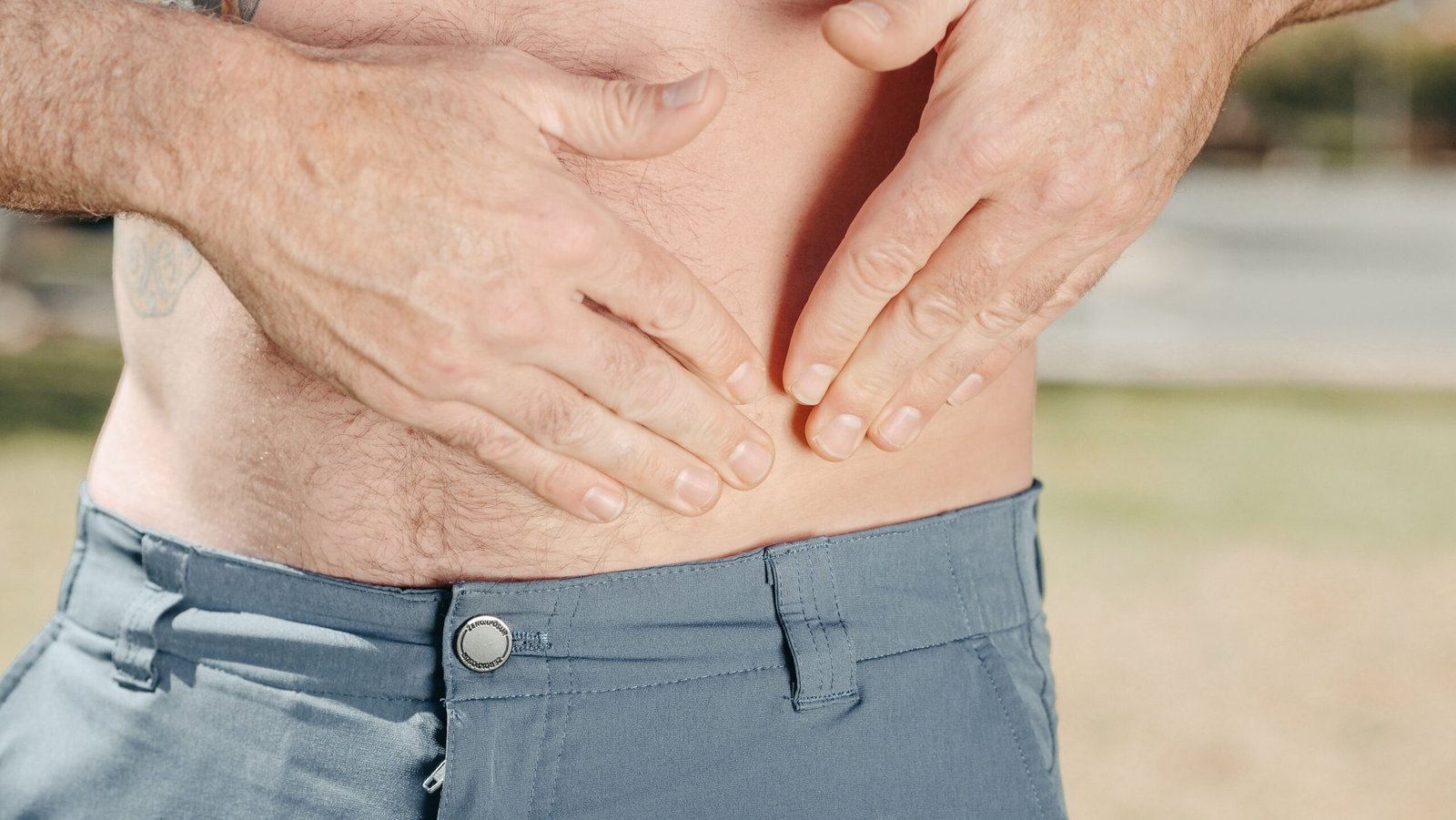
Appendicitis is a medical condition that occurs when the appendix becomes inflamed, often causing abdominal pain that can worsen over several hours. It is a common cause of sudden abdominal pain and can affect children, teenagers, adults, and older people. Because untreated appendicitis can lead to serious complications, recognizing its warning signs and seeking prompt medical care are essential.
The appendix is a small, finger-shaped pouch attached to the large intestine, usually located in the lower-right part of the abdomen. Although its precise functions are not fully understood, people can live normally without it. Treatment commonly involves surgical removal, although antibiotics alone may be appropriate for selected uncomplicated cases after medical assessment. <Cite refs={[“turn641303search2″,”turn641303search4”]}/>
This guide explains what appendicitis is, how to recognize its symptoms, what causes it, how doctors diagnose it, and what to expect during treatment and recovery.
Medical safety note: If you or someone else has worsening abdominal pain, particularly pain that moves toward the lower-right abdomen, seek urgent medical assessment. Severe abdominal pain or symptoms suggesting a ruptured appendix require emergency care. Do not wait for every typical symptom to appear.
1. What Is Appendicitis and What Causes It?
Appendicitis is inflammation of the appendix, a small pouch connected to the large intestine. It often develops when the opening inside the appendix becomes blocked, allowing inflammation and infection to develop.
Possible causes and contributing factors include:
- A blockage inside the appendix: Hardened stool or other material can obstruct its opening.
- Swollen lymphoid tissue: Tissue in the appendix wall may enlarge following an infection.
- Inflammation: Changes within the appendix can interfere with normal drainage and increase pressure.
- Underlying intestinal conditions: Certain inflammatory bowel conditions may contribute to inflammation in some cases.
The exact cause is not always identifiable. Appendicitis can occur in people with otherwise healthy digestive systems, and it is not necessarily caused by eating a particular food or having poor hygiene.
Although appendicitis can develop at any age, it is particularly common among teenagers and young adults. However, children and older adults can also develop it, sometimes with less typical symptoms. <Cite refs={[“turn641303search0″,”turn641303search5”]}/>
Why Appendicitis Can Become Dangerous
As inflammation progresses, pressure inside the appendix may increase and damage its wall. In some cases, the appendix can rupture, allowing infected material to spread into the abdomen.
Possible complications include peritonitis, an infection or inflammation of the abdominal lining, and an abscess, which is a collection of pus. Severe infection can also lead to sepsis, a potentially life-threatening response to infection.
Prompt diagnosis and treatment significantly reduce the risk of these complications.
2. Common Symptoms of Appendicitis
The most recognizable symptom of appendicitis is abdominal pain, but the location and intensity can vary between individuals.
Pain often begins near the belly button before moving toward the lower-right side of the abdomen. It may initially feel mild or vague, then become more persistent and severe over several hours.
Common symptoms include:
- Abdominal pain: Often begins around the belly button and moves to the lower-right abdomen.
- Loss of appetite: Food may become unappealing.
- Nausea and vomiting: These symptoms may develop after the abdominal pain begins.
- Fever: A raised temperature may accompany inflammation.
- Abdominal swelling: Some people experience bloating or tenderness.
- Constipation or diarrhea: Changes in bowel movements may occur.
- Difficulty passing gas: Some individuals experience difficulty passing gas or a sensation of digestive discomfort.
Pain may become worse when walking, coughing, sneezing, or moving. However, not everyone experiences the same pattern, and some people do not develop all the classic symptoms. <Cite refs={[“turn641303search0″,”turn641303search3”]}/>
Warning Signs That Require Emergency Attention
Seek emergency medical care if abdominal pain becomes severe, spreads throughout the abdomen, or is accompanied by confusion, difficulty breathing, faintness, or other signs of serious illness.
A ruptured appendix may occasionally cause a brief reduction in pain before more widespread, severe pain develops. Temporary pain relief does not mean the condition has resolved.
Do not try to confirm appendicitis by repeatedly pressing on your abdomen or performing home tests. A medical professional needs to evaluate the symptoms.
3. How Doctors Diagnose Appendicitis
Diagnosing appendicitis requires a medical assessment because several other conditions can cause similar symptoms. These include urinary tract infections, kidney stones, gastrointestinal infections, inflammatory bowel disease, and certain reproductive health conditions.
Doctors typically use a combination of medical history, physical examination, laboratory tests, and imaging.
Medical History and Physical Examination
A healthcare professional may ask when the pain began, where it started, whether it has moved, and whether nausea, vomiting, fever, or bowel changes are present.
During the examination, the doctor may gently assess the abdomen for tenderness and other signs of inflammation.
Blood and Urine Tests
Blood tests can identify an elevated white blood cell count or other signs that may support the diagnosis. A urine test can help identify urinary conditions that may cause similar symptoms. A pregnancy test may be recommended when relevant.
No single blood or urine test can reliably confirm or exclude appendicitis in every patient.
Imaging Tests
Doctors may use the following imaging methods:
- Ultrasound: Uses sound waves to examine the appendix without ionizing radiation.
- CT scan: Provides detailed images of the abdomen and may help confirm appendicitis or identify complications.
- MRI: May be used when additional imaging is necessary, including in selected cases involving pregnancy or younger patients.
The choice of test depends on the person’s age, symptoms, pregnancy status, clinical findings, and available facilities. Sometimes doctors observe symptoms over a short period in the hospital when the diagnosis remains uncertain. <Cite refs={[“turn641303search1″,”turn641303search3”]}/>
4. Appendicitis Treatment: Surgery and Antibiotics
The appropriate treatment depends on the severity of inflammation, whether the appendix has ruptured, and the patient’s overall health.
Appendectomy: Removing the Appendix
The most common treatment is an appendectomy, an operation to remove the inflamed appendix.
There are two main surgical approaches:
Laparoscopic surgery: The surgeon makes several small incisions and uses a camera and specialized instruments to remove the appendix. This approach often allows a shorter recovery and less postoperative discomfort than open surgery.
Open surgery: The surgeon makes a larger incision in the abdomen. This may be necessary when the appendix has ruptured, the infection is extensive, or the patient’s condition makes laparoscopic surgery unsuitable.
The operation is performed under general anesthesia. The surgical team chooses the safest approach according to the individual circumstances.
Can Appendicitis Be Treated Without Surgery?
Some cases of uncomplicated appendicitis may be treated with antibiotics alone. This option is appropriate only for selected patients after careful evaluation and discussion with the treating team.
Antibiotics do not eliminate the need for surgery in every case, and appendicitis may return after nonoperative treatment. A ruptured appendix, widespread infection, or certain complications may require surgery and additional procedures.
If an abscess has developed, treatment may involve antibiotics and drainage. The medical team will determine the appropriate approach based on imaging findings and the patient’s condition. <Cite refs={[“turn641303search4″,”turn641303search3”]}/>
Never attempt to treat suspected appendicitis at home with leftover antibiotics, laxatives, or unverified remedies.
5. Recovery After Appendicitis Treatment
Recovery depends on the type of treatment, the severity of the condition, and whether complications occurred.
Many people recover within one to two weeks after uncomplicated appendectomy, although complete healing and return to strenuous activities may take longer. People who experience a ruptured appendix or other complications may need a longer hospital stay and recovery period. <Cite refs={[“turn641303search3″,”turn641303search7”]}/>
Caring for Yourself After Surgery
Follow the discharge instructions provided by the surgical team. Important recovery practices may include:
- Care for the incision: Keep the wound clean and follow the instructions for showering, dressings, and wound care.
- Take prescribed medication correctly: Follow instructions for pain relief and complete prescribed antibiotics when directed.
- Increase activity gradually: Gentle walking may help recovery, but strenuous exercise and heavy lifting should wait until the surgeon says they are safe.
- Eat and drink as advised: Resume food gradually according to your comfort and medical instructions.
- Attend follow-up appointments: These allow the healthcare team to check healing and address concerns.
Contact a healthcare professional if the surgical wound becomes increasingly red, swollen, or painful, if pus or bleeding appears, or if a fever develops after surgery.
Seek urgent assessment for worsening abdominal pain, persistent vomiting, or other severe or unexpected symptoms.
Long-Term Outlook
Most people recover fully after successful treatment and can return to their usual activities. Removing the appendix generally does not require permanent dietary restrictions or major lifestyle changes.
However, individual recovery plans differ, so medical advice should guide the timing of work, driving, exercise, and other activities.
6. Can Appendicitis Be Prevented?
There is currently no guaranteed way to prevent appendicitis. The condition can occur unexpectedly, and it is not always possible to identify a specific cause.
Maintaining a balanced diet, drinking adequate fluids, and staying physically active can support general health, but these habits cannot guarantee protection against appendicitis.
It is also important to understand that no specific food, exercise, supplement, or home remedy has been established as a reliable method for preventing or curing the condition.
The most useful practical step is learning to recognize the symptoms and seeking medical attention quickly when they occur. Early assessment can help doctors distinguish appendicitis from other causes of abdominal pain and arrange appropriate treatment.
Parents and caregivers should pay particular attention to children who develop persistent abdominal pain, reduced appetite, vomiting, or fever. Young children and older adults may have less typical symptoms, making prompt professional evaluation especially important.
Conclusion
Appendicitis is a potentially serious medical condition that requires prompt diagnosis and appropriate treatment. Its most common symptom is abdominal pain that may begin near the belly button and move toward the lower-right side, often accompanied by nausea, vomiting, loss of appetite, or fever.
Doctors diagnose appendicitis through a combination of clinical examination, laboratory testing, and imaging. Treatment commonly involves an appendectomy, although antibiotics alone may be suitable for selected uncomplicated cases.
Recovery is often straightforward when treatment occurs early, but a ruptured appendix can lead to serious complications, including peritonitis, abscess formation, and sepsis.
The most important takeaway is simple: do not ignore worsening abdominal pain or attempt to diagnose or treat suspected appendicitis yourself. Seek urgent medical evaluation, follow professional treatment advice, and observe recovery instructions carefully to support the best possible outcome.
Health
2025 KT Tape Hamstring: Complete Guide to Hamstring Support, Application, Benefits, and Recovery
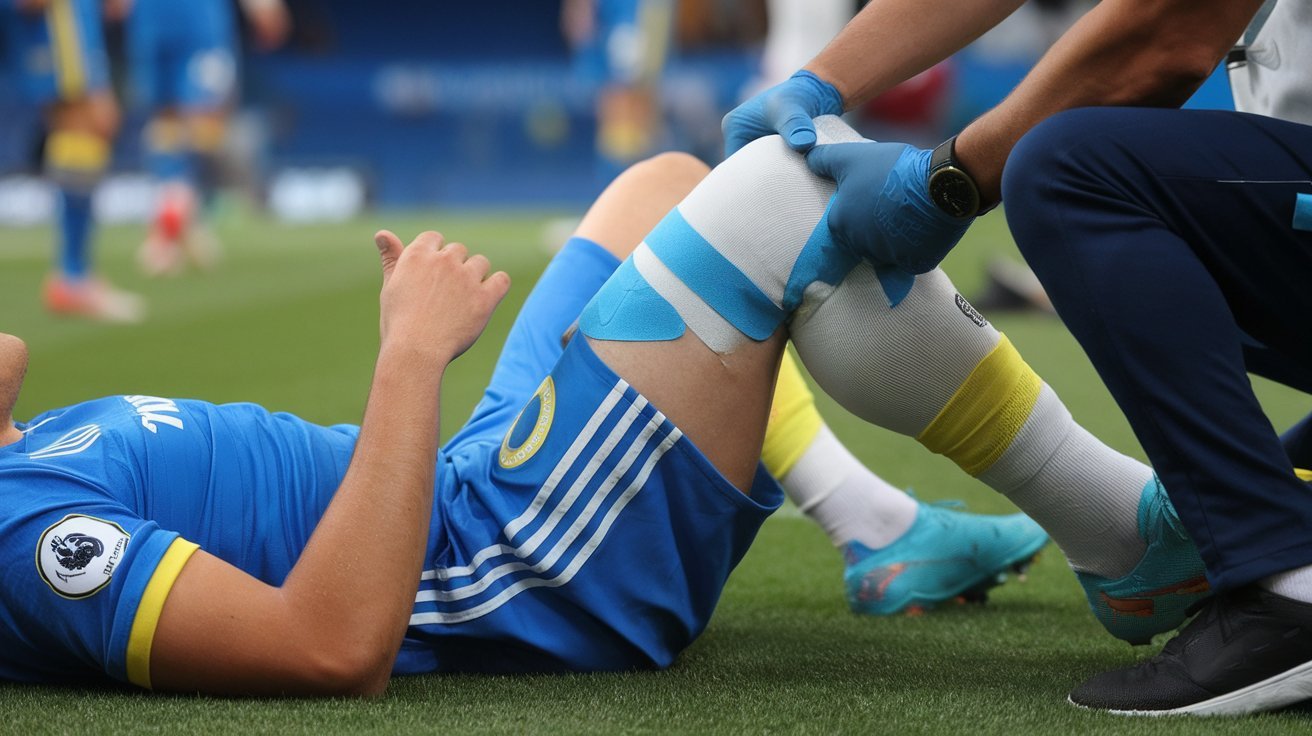
A hamstring injury can make everyday activities, exercise, running, and sports uncomfortable. Athletes often look for practical ways to support the back of the thigh while they recover, and 2025 KT Tape Hamstring applications have become a popular option. KT Tape is an elastic therapeutic tape designed to provide support without significantly restricting normal movement. When applied correctly, it may help provide support, proprioceptive feedback, and temporary comfort during activity.
In 2025 and into 2026, kinesiology tape remains widely used by runners, gym-goers, football players, basketball players, and other active people. However, tape should be viewed as a supportive tool rather than a treatment that repairs a torn muscle. Understanding when and how to use KT Tape can help us make more informed decisions about hamstring discomfort and recovery.
What Is KT Tape for the Hamstring?
KT Tape for the hamstring refers to applying kinesiology tape along the back of the thigh to provide targeted support. The hamstrings consist of three major muscles—the biceps femoris, semitendinosus, and semimembranosus—which work together to bend the knee and extend the hip. Because these muscles are heavily involved in sprinting, jumping, lunging, and rapid changes of direction, they are vulnerable to strains.
Unlike rigid athletic tape, kinesiology tape is stretchable and flexible. This allows the skin and underlying tissues to move naturally while the tape remains attached. KT Tape’s official guidance describes its hamstring application as a way to provide support for the hamstring area while maintaining mobility.
The tape does not physically hold a damaged hamstring together. Instead, its potential benefits are generally associated with sensory input and mechanical support at the skin level. Results can vary considerably between individuals.
Why Do People Use KT Tape for Hamstring Problems?
People commonly use KT Tape when dealing with hamstring soreness, minor strains, muscle tightness, or discomfort associated with physical activity. It may also be used during a return-to-activity program when a healthcare professional has determined that movement is appropriate.
One reason athletes like kinesiology tape is its flexibility. Traditional rigid tape can restrict movement, whereas elastic tape can move with the body. This may make it more comfortable during walking, training, or other controlled activities.
Potential reasons for using KT Tape include:
- Temporary support around the hamstring area
- Increased awareness of the taped region through sensory feedback
- Possible reduction in perceived discomfort during movement
- Support during low-intensity activity
- A flexible alternative to more restrictive taping methods
However, we should avoid treating these benefits as guarantees. Research on kinesiology tape has produced mixed results, and evidence does not establish it as a standalone treatment for hamstring injuries.
For a significant injury, rehabilitation should focus on appropriate load management, strengthening, mobility, and gradual return to sport, rather than relying solely on tape.
How to Apply KT Tape to the Hamstring
Correct application matters because poor placement or excessive tension can make the tape uncomfortable and may cause skin irritation.
A typical hamstring application begins by preparing the skin. We should ensure that the area is clean, dry, and free from excessive oils or lotions. Excess body hair can also interfere with adhesion.
The tape is generally positioned along the back of the thigh, following the direction of the hamstring. Depending on the specific KT Tape application, strips may begin closer to the lower portion of the hamstring and extend toward the upper thigh.
A basic approach is:
- Measure the tape against the affected area before cutting.
- Round the corners to reduce the likelihood of the edges peeling.
- Position the body comfortably so the hamstring can be taped without excessive tension.
- Apply the tape according to the manufacturer’s recommended technique.
- Avoid excessive stretching, particularly at the ends.
- Rub the tape gently after application to activate the adhesive.
- Check the skin for discomfort, numbness, burning, or unusual irritation.
The exact application technique can differ depending on whether the goal is general support, soreness management, or another specific application. For that reason, following the manufacturer’s current instructions or getting guidance from a physical therapist is preferable to improvising a complicated taping method.
Does KT Tape Actually Help a Hamstring Injury?
This is one of the most important questions surrounding KT Tape hamstring applications. Kinesiology tape may provide short-term sensory or comfort benefits for some people, but it should not be considered a replacement for rehabilitation.
Hamstring strains range from relatively minor muscle injuries to substantial tears. A person with a mild strain may be able to progress through controlled rehabilitation relatively quickly, while a severe injury may require professional assessment and a much longer recovery period.
Evidence regarding kinesiology tape is mixed. Some studies suggest that taping may influence pain perception, movement awareness, or short-term function, while other research finds limited additional benefit compared with standard care.
Therefore, we should think of KT Tape as an adjunct, not the main treatment.
A rehabilitation program may include progressively loaded exercises such as controlled hamstring strengthening, hip strengthening, functional movements, and eventually running drills. The progression should match the injury’s severity and the person’s symptoms.
KT Tape Hamstring vs. Other Support Methods
KT Tape is only one option for managing hamstring discomfort. Other approaches may be more appropriate depending on the injury.
Compression garments can provide a snug sensation around the thigh and may be convenient during exercise. Rigid athletic tape offers a different type of support but restricts movement more substantially. A physical therapist may recommend specific exercises, manual therapy, or temporary activity modification depending on the diagnosis.
For an acute injury, the most important consideration is usually not which tape we choose but how much load the injured tissue can safely tolerate.
Trying to tape the hamstring and immediately return to sprinting can be counterproductive if the muscle has not recovered sufficiently. Pain that disappears temporarily because of sensory input does not necessarily mean the tissue is ready for maximum effort.
Safety, Skin Reactions, and When to Seek Help
Most people tolerate kinesiology tape well, but skin irritation can occur. We should remove the tape if there is burning, significant itching, rash, blistering, numbness, or worsening discomfort. It should not be applied over open wounds, infected skin, or significant skin irritation.
We should also seek professional evaluation when hamstring pain is severe or unusual. Warning signs can include a sudden popping sensation, significant bruising, substantial swelling, marked weakness, difficulty walking, or persistent pain.
An athlete who repeatedly strains the same hamstring should also consider professional assessment. Recurring injuries can indicate insufficient rehabilitation, strength imbalance, mobility limitations, inadequate conditioning, or an overly rapid return to sport.
Most importantly, tape should never be used to mask serious symptoms and continue high-intensity exercise.
How KT Tape Fits Into Hamstring Recovery in 2026
A modern hamstring recovery strategy emphasizes progressive rehabilitation rather than passive support alone. KT Tape can potentially complement that process by providing comfort or sensory feedback while an athlete performs appropriate movements.
A sensible recovery progression often moves from protecting the injured area and controlling symptoms toward gradual strengthening, functional exercise, running, acceleration, deceleration, and eventually sport-specific activity.
The final stages are particularly important for athletes. A hamstring that feels comfortable while walking may not yet tolerate maximal sprinting. Returning to competition should therefore depend on strength, function, confidence, and sport-specific demands, not simply whether the tape makes the area feel better.
Frequently Asked Questions
Can KT Tape heal a hamstring strain?
No. KT Tape may provide temporary support or comfort, but it does not directly repair damaged muscle tissue. Appropriate rehabilitation remains central to recovery.
Can we sleep with KT Tape on the hamstring?
Some people leave kinesiology tape on for extended periods, but manufacturer recommendations should be followed. Remove it if the skin becomes irritated or uncomfortable.
Should KT Tape be tight on the hamstring?
Generally, kinesiology tape should not feel excessively tight. Too much tension can cause discomfort and skin problems.
Can we run with KT Tape on a hamstring strain?
Only if running is appropriate for the injury. Tape should not be used to override pain or allow an athlete to return to sprinting before the hamstring is ready.
How long can KT Tape stay on?
Duration depends on the specific product and individual skin tolerance. Follow the product instructions and remove it sooner if irritation develops.
Conclusion
The 2025 KT Tape hamstring application remains a popular option for athletes seeking flexible support during hamstring discomfort and rehabilitation. Its main appeal is that it can provide sensory feedback and a feeling of support without significantly restricting movement.
Nevertheless, KT Tape should not be viewed as a cure for a hamstring strain or tear. The foundation of recovery remains appropriate activity modification, progressive strengthening, functional rehabilitation, and a carefully managed return to sport. When symptoms are severe, persistent, or associated with significant bruising or weakness, professional medical evaluation is the safer choice.
Used appropriately, KT Tape can be one small component of a broader hamstring-care strategy—but the tape should support rehabilitation, not replace it.

123 Movies: Complete Guide to Online Movie Streaming, Features, Safety, and Alternatives in 2026

Language Exchange 2026: Complete Guide to Learning Languages, Finding Partners, and Building Fluency

Wizard of Oz Sphere: Tickets, Experience, 4D Effects, and Las Vegas Guide 2026


 celebrity4 months ago
Evin Harrah Cosby: Biography, Family Background, Career, Education, and Private Life
- celebrity4 months ago
Christopher Stokowski: Biography, Family Background, Career, and Private Life
- celebrity3 months ago
Laurence Bailey: Biography, Career, Achievements, and Lasting Legacy
- celebrity4 months ago
Marcy Wudarski: Biography, Career, Family, and Life Story
- Lifestyle3 months ago
TravelTweaks Hotels: The Complete Guide to Smarter Hotel Stays and Better Travel Experiences in 2026
- celebrity3 months ago
Valentina Marie Skelton: A Remarkable Life Beyond Hollywood Fame
- Business3 months ago
Weakspurn.com: A Complete Guide to the Platform, Features, Benefits, and Online Presence in 2026
- Tech3 months ago
Almawadahit.com Technology: The Complete 2026 Guide to Digital Innovation, Tech News, AI, and Online Resources