Fitness
Pallof Press: Benefits, Proper Form, Variations, and Workout Guide for 2026

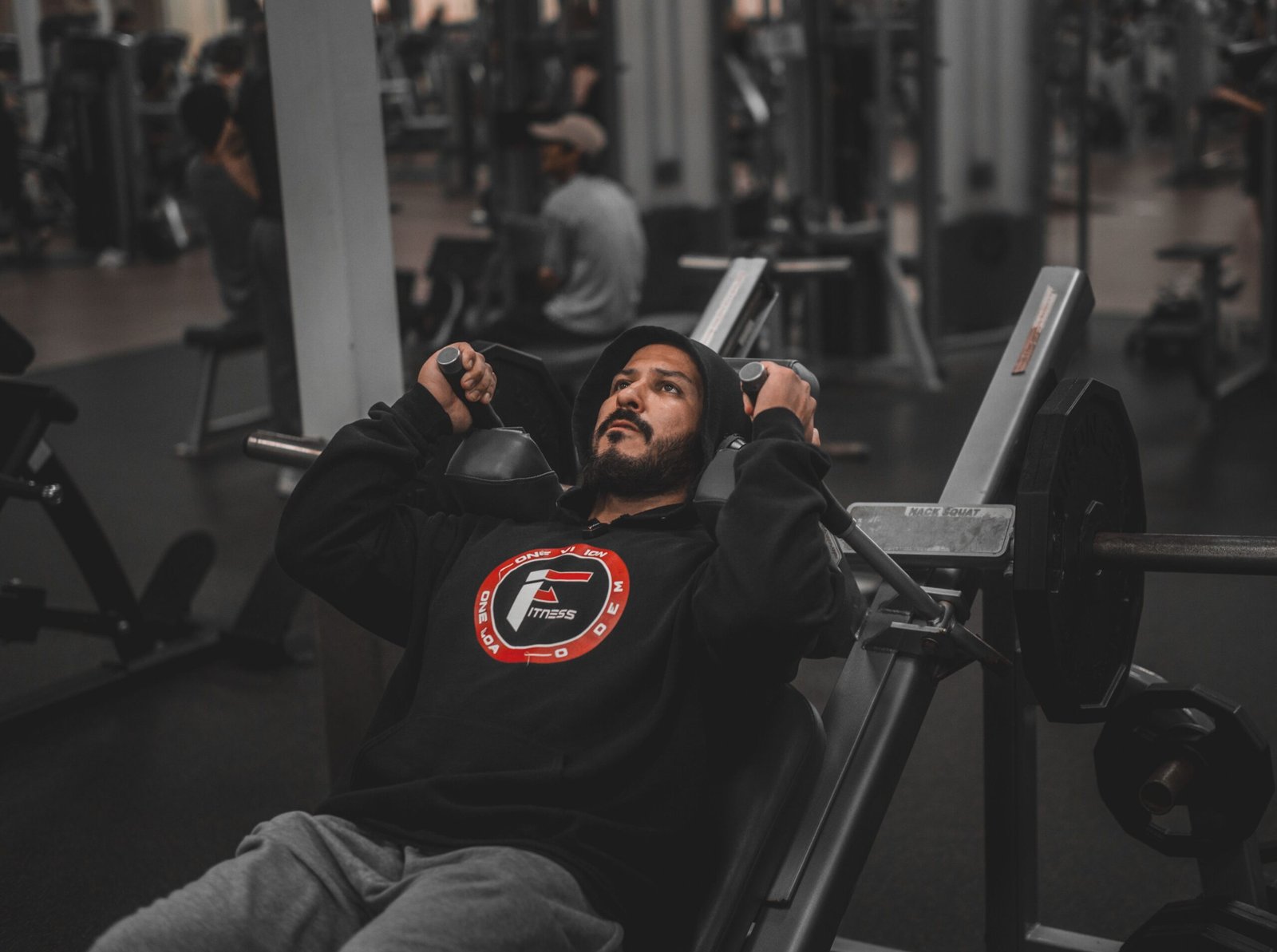
The Pallof press is a popular core-strengthening exercise that helps develop stability, balance, and control through the abdominal and trunk muscles. Unlike traditional abdominal exercises that involve repeated bending or twisting, the Pallof press challenges the body to resist rotation while keeping the torso steady. This makes it a valuable addition to strength-training programs, athletic conditioning routines, and general fitness workouts.
Whether we are beginners learning how to strengthen our core or experienced gym-goers looking to improve movement control, the Pallof press offers a practical way to train the muscles responsible for stabilizing the spine and pelvis. The exercise is commonly performed with a resistance band or cable machine, making it accessible in commercial gyms and many home workout spaces.
In this guide, we explain how to perform the Pallof press correctly, explore its main benefits, review popular variations, and discuss how to incorporate it into a balanced fitness routine in 2026.
1. What Is the Pallof Press?
The Pallof press is an anti-rotation core exercise in which we press a resistance band or cable away from the chest while resisting the force that attempts to turn the torso sideways. It is named after physical therapist John Pallof and is widely used in strength and conditioning programs.
The exercise primarily trains the core’s ability to maintain a stable position when an external force challenges the body. Rather than producing a large twisting movement, we keep the shoulders, rib cage, and pelvis aligned while extending the arms forward.
Several muscle groups contribute to this movement, including the obliques, transverse abdominis, rectus abdominis, and other trunk stabilizers. The gluteal muscles and muscles around the hips also help maintain a steady stance, while the shoulders and arms support the pressing action.
To perform a standard standing Pallof press, we attach a resistance band to a stable anchor at approximately chest height. We stand sideways to the anchor, hold the band with both hands near the chest, and step away until we feel manageable tension. After establishing a balanced stance, we slowly press our hands forward, pause briefly, and return them to the chest without allowing the torso to rotate.
We perform the same movement on both sides to train the body evenly. The exercise can be adjusted by changing the resistance, stance, distance from the anchor, or body position.
2. Benefits of the Pallof Press for Core Strength
One of the main benefits of the Pallof press is its emphasis on anti-rotation strength. Many everyday activities require us to keep the torso stable while moving the arms or legs. Carrying shopping bags, reaching across a work surface, and performing certain athletic movements all involve coordinating the trunk with the rest of the body.
The Pallof press trains this coordination by asking the core muscles to resist unwanted rotation. Over time, consistent practice can improve our ability to maintain a controlled trunk position during suitable exercise and everyday movement.
Another benefit is that the exercise develops core endurance. Holding a stable position while extending the arms requires sustained muscle activity. We can adjust the duration of each repetition or use controlled sets to match our current fitness level.
The movement can also support general strength-training goals. Athletes may include anti-rotation exercises in programs designed to improve movement control during running, throwing, or changing direction. However, the Pallof press is only one component of athletic conditioning and does not independently guarantee improved performance or prevent injuries.
Additionally, the exercise is adaptable. A light resistance band may be appropriate for beginners, while a cable machine can provide more consistent resistance for people who already have experience with strength training.
The key advantage is controlled core training without repeated spinal twisting. This makes the Pallof press a useful complement to exercises such as planks, carries, squats, and deadlifts.
3. How to Do the Pallof Press With Proper Form
Correct technique helps us target the intended muscles and avoid compensating with the shoulders, hips, or lower back. We should begin with light resistance and increase the challenge only when we can maintain a stable position throughout the movement.
Follow these steps for the standing Pallof press:
Set up the resistance. Secure a resistance band to a sturdy anchor at chest height, or adjust a cable machine to a similar position.
Stand sideways to the anchor. Hold the band or handle with both hands in front of your chest. Keep your feet approximately shoulder-width apart or use a comfortable staggered stance.
Establish tension. Step sideways away from the anchor until the band or cable pulls gently against your hands.
Brace your core. Keep your ribs positioned comfortably over your pelvis, maintain a natural spinal position, and avoid leaning toward or away from the anchor.
Press forward. Extend both arms slowly until your elbows are straight or nearly straight, according to your comfort. Resist the pull that attempts to rotate your torso.
Pause and return. Hold the extended position briefly, then bring your hands back toward your chest with control.
Repeat on both sides. Complete the planned repetitions on one side before turning around to perform the exercise in the opposite direction.
Throughout the movement, breathe normally rather than holding your breath. Keep your shoulders relaxed and avoid shrugging them toward your ears.
A useful starting point is two sets of 8–12 controlled repetitions per side using light resistance. This is a general example rather than a requirement; we should adjust the workload to our ability and training goals.
If we cannot prevent our torso from turning, we should reduce the resistance or step closer to the anchor. Quality of movement matters more than using a heavier band or cable setting.
4. Common Pallof Press Mistakes to Avoid
Although the Pallof press appears simple, several common mistakes can reduce its effectiveness. One frequent error is using too much resistance. When the load is excessive, we may twist the torso, lean sideways, or shift our weight to complete the repetition. Reducing the resistance allows us to focus on stability.
Another mistake is allowing the hips and shoulders to rotate toward the anchor. The purpose of the exercise is to resist this movement, so we should maintain a steady position throughout each repetition.
We should also avoid arching the lower back or flaring the ribs as the arms extend. Keeping the torso aligned and maintaining a comfortable, natural spinal position helps us control the movement.
Moving too quickly is another problem. If we push the hands forward and pull them back without control, we may rely on momentum rather than sustained muscular effort. A deliberate tempo makes it easier to maintain the anti-rotation challenge.
Finally, we should not neglect one side. Performing the exercise in both directions provides a more balanced training approach. If one side feels noticeably less controlled, we can use lighter resistance and focus on consistent technique rather than forcing the same load on both sides.
Stop if the exercise causes sharp pain, dizziness, or unusual symptoms. People with existing back problems, recent injuries, or medical restrictions should seek guidance from a qualified healthcare professional or appropriately trained exercise specialist before adding challenging core exercises.
5. Best Pallof Press Variations for Different Fitness Levels
The Pallof press can be modified to suit different abilities, equipment options, and training objectives. Choosing an appropriate variation helps us maintain good technique while gradually increasing the challenge.
Standing Pallof press: This is the standard version. We stand sideways to the anchor, keep our feet stable, and press the handle forward. It is a suitable starting point for many people learning anti-rotation training.
Half-kneeling Pallof press: In this variation, we kneel on one knee with the other foot positioned in front. The position changes the demands on balance and hip stability. We should use a padded surface and maintain a comfortable posture throughout the movement.
Tall-kneeling Pallof press: We kneel on both knees and press the resistance forward while keeping the hips and torso steady. Because the feet no longer provide the same support as a standing stance, this variation can make it easier to focus on trunk control.
Pallof press hold: Instead of repeatedly moving the arms, we extend them forward and hold the position for a short, controlled period. This emphasizes sustained stability. We should start with brief holds and maintain normal breathing.
Split-stance Pallof press: We position one foot forward and the other behind us, creating a stable staggered stance. This variation introduces a different balance challenge while preserving the main anti-rotation objective.
Pallof press with a step: For a more advanced option, we begin in a stable stance, press the arms forward, and take a small controlled step sideways or forward if the setup and exercise plan permit it. This adds movement while requiring us to resist rotation. We should master the stationary version first.
Beginners can start with a light band and a comfortable standing position. More experienced exercisers can progress by increasing resistance gradually, using controlled holds, or selecting a more demanding stance. We should change one difficulty factor at a time rather than making every adjustment simultaneously.
6. How to Add the Pallof Press to a Workout Routine
The Pallof press works well as part of a broader strength-training program. We can perform it after a general warm-up, during a core-training section, or between other exercises when the goal is to practice controlled trunk stability without excessive fatigue.
For a beginner routine, we might combine the Pallof press with a modified plank, a glute bridge, and a bodyweight squat. This combination trains several movement patterns rather than relying on a single exercise to develop the entire core.
A general example is:
Pallof press: 2 sets of 8–12 repetitions per side.
Modified plank: 2 controlled holds, adjusted to ability.
Glute bridge: 2 sets of 10–12 repetitions.
Bodyweight squat: 2 sets of 8–12 repetitions.
Rest between sets as needed to maintain good technique. These numbers are starting suggestions, not universal prescriptions. Training frequency, resistance, and total workload should reflect our experience, recovery, and overall program.
For experienced exercisers, the Pallof press can complement compound movements such as squats, deadlifts, and loaded carries. It is not necessary to perform it every day; incorporating it into two or three weekly training sessions may be sufficient for many general fitness programs.
We should also remember that core training involves more than resisting rotation. A balanced routine can include exercises that challenge trunk flexion, extension, lateral stability, and coordinated movement, provided they are appropriate for our needs.
Conclusion
The Pallof press is a versatile core exercise that trains the body to resist unwanted rotation while maintaining a controlled torso position. With a resistance band or cable machine, we can adjust the exercise for beginners and experienced gym-goers alike.
By learning proper technique, choosing suitable resistance, avoiding common mistakes, and training both sides consistently, we can make the Pallof press a valuable part of a balanced fitness routine in 2026. Combined with other strength and stability exercises, it can contribute to improved core control, movement coordination, and general physical fitness.


123 Movies: Complete Guide to Online Movie Streaming, Features, Safety, and Alternatives in 2026

Language Exchange 2026: Complete Guide to Learning Languages, Finding Partners, and Building Fluency

Wizard of Oz Sphere: Tickets, Experience, 4D Effects, and Las Vegas Guide 2026


 celebrity4 months ago
Evin Harrah Cosby: Biography, Family Background, Career, Education, and Private Life
- celebrity4 months ago
Christopher Stokowski: Biography, Family Background, Career, and Private Life
- celebrity3 months ago
Laurence Bailey: Biography, Career, Achievements, and Lasting Legacy
- celebrity4 months ago
Marcy Wudarski: Biography, Career, Family, and Life Story
- Lifestyle3 months ago
TravelTweaks Hotels: The Complete Guide to Smarter Hotel Stays and Better Travel Experiences in 2026
- celebrity3 months ago
Valentina Marie Skelton: A Remarkable Life Beyond Hollywood Fame
- Business3 months ago
Weakspurn.com: A Complete Guide to the Platform, Features, Benefits, and Online Presence in 2026
- Tech3 months ago
Almawadahit.com Technology: The Complete 2026 Guide to Digital Innovation, Tech News, AI, and Online Resources